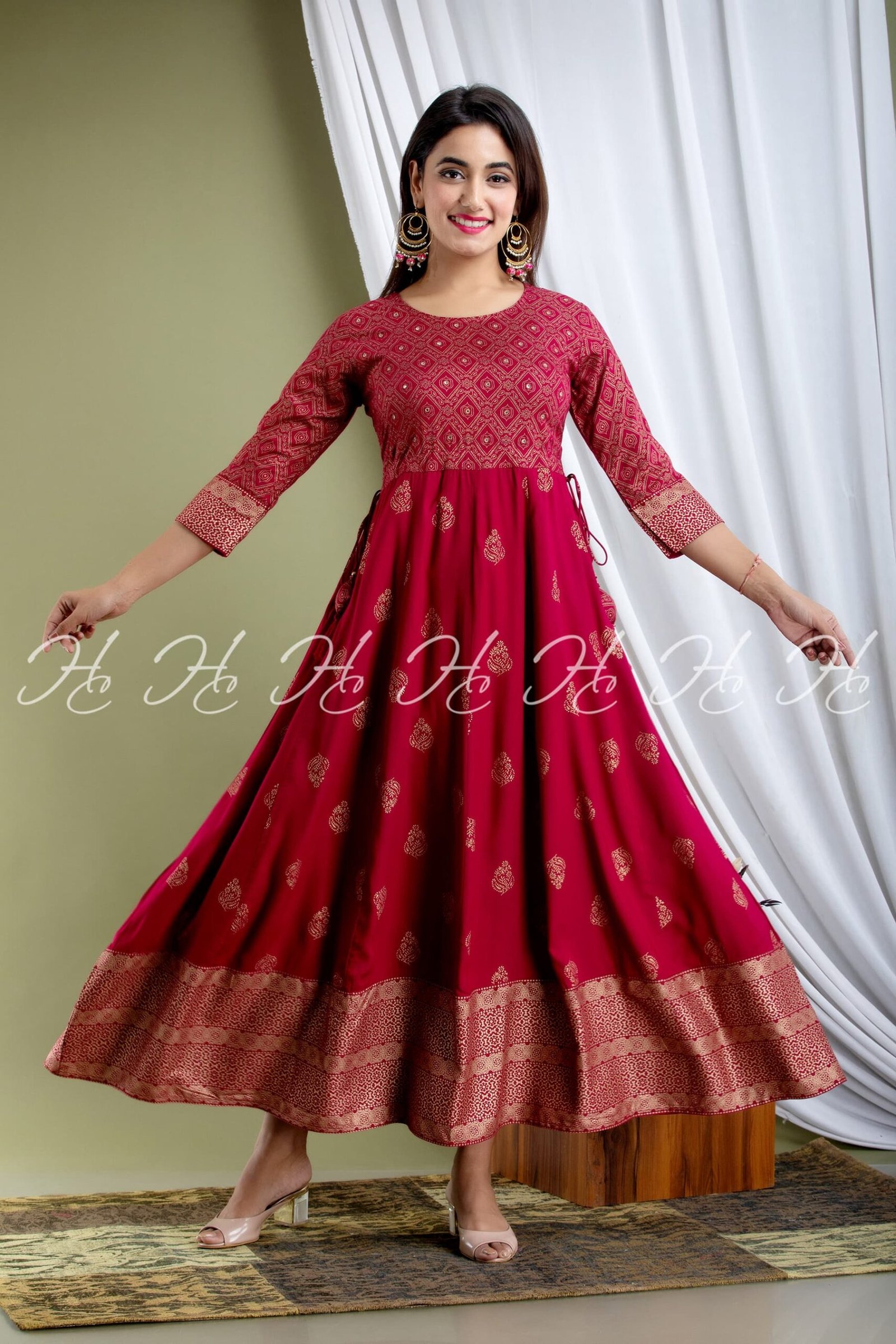
Small retailers often worry about minimum order quantities when they plan to source ethnic wear. Many boutique owners and startup sellers want to test new designs before committing to large inventories. This raises an important question: can small retailers place low minimum orders with an anarkali kurti factory? The answer depends on several factors, including the factory’s production capacity, pricing model, and flexibility. However, many manufacturers today understand the needs of emerging businesses and offer practical solutions.
An anarkali kurti factory jaipur typically works with both large wholesalers and small retailers. Jaipur has built a strong reputation for its vibrant textiles, block prints, embroidery, and traditional craftsmanship. Because of this diverse production ecosystem, factories in the region often operate with adaptable systems that accommodate different order sizes. While some factories focus on bulk production, others specialize in supporting smaller batches without compromising quality.
Why Minimum Order Quantities Exist
Factories set minimum order quantities (MOQs) to manage costs and streamline production. When a manufacturer produces garments, they must purchase fabric, thread, embellishments, and packaging materials in bulk. They also allocate labor, machine time, and quality control resources. Larger orders reduce per-piece costs because production runs more efficiently.
However, the fashion market has changed significantly. Small retailers now play a major role in driving trends, especially in local and online markets. Many factories, including an anarkali kurti factory jaipur, recognize this shift and adjust their MOQs to attract new business partners.
Flexible Options for Small Retailers
Small retailers can often negotiate lower MOQs by choosing ready-made designs instead of requesting custom patterns. When retailers select from existing catalog designs, the factory does not need to invest extra time in sampling or fabric sourcing. This approach allows the manufacturer to offer lower minimum quantities.
In addition, many wholesale kurti manufacturers in jaipur maintain stock lots or semi-stitched collections. Retailers can purchase smaller quantities from these pre-produced batches. This system benefits both sides: factories clear inventory efficiently, and retailers reduce financial risk.
Some factories also provide mix-and-match options. Instead of ordering 100 pieces of one design, retailers might order 10 pieces each of 10 different designs. This flexibility helps boutique owners offer variety without overstocking a single style.
Customization with Lower Risk
Customization remains important in the ethnic wear market. Retailers often want unique color combinations, embroidery patterns, or size ranges. Although customization usually requires higher MOQs, some factories provide tiered pricing. Retailers can place smaller custom orders at slightly higher per-piece costs. As their business grows, they can increase order volume and benefit from lower pricing.
An established anarkali kurti factory jaipur may also offer sampling services. Retailers can order a few samples to test quality and market response. After evaluating customer demand, they can confidently place a larger order. This strategy reduces uncertainty and builds trust between the retailer and manufacturer.
Building Long-Term Relationships
Factories value long-term partnerships. When small retailers show consistent ordering patterns, manufacturers often become more flexible with MOQs. Regular communication, timely payments, and clear design requirements encourage factories to prioritize smaller clients.
Many wholesale kurti manufacturers in jaipur start relationships with small trial orders. Once retailers prove reliability, factories may reduce minimum quantities further. This collaborative approach strengthens supply chains and supports business growth on both sides.
Advantages of Working with Jaipur Factories
Jaipur’s garment industry offers distinct advantages. Skilled artisans create intricate embroidery, zari work, and block prints that attract customers across India and abroad. By partnering with an anarkali kurti factory jaipur, small retailers gain access to authentic craftsmanship at competitive rates.
Additionally, Jaipur’s well-established textile market ensures easy access to diverse fabrics such as cotton, georgette, silk blends, and chiffon. This accessibility allows manufacturers to produce smaller batches more efficiently than factories in regions with limited fabric supply chains.
Wholesale kurti manufacturers in jaipur also stay updated with fashion trends. They regularly launch new seasonal collections, which helps small retailers refresh their inventory without investing heavily in design development.
Pricing Considerations
Low MOQs may result in slightly higher per-piece prices. Factories must cover operational expenses regardless of order size. However, small retailers often benefit from reduced storage costs and lower upfront investment. This trade-off works well for boutiques that prioritize variety and quick turnover.
Retailers should discuss pricing structures transparently. Many anarkali kurti factory jaipur suppliers provide clear breakdowns of fabric costs, stitching charges, embellishments, and packaging. When retailers understand these components, they can make informed decisions about order size and customization.
Tips for Small Retailers
If you are a small retailer seeking low minimum orders, consider these practical steps:
- Start with ready-made catalog designs.
- Request sample pieces before bulk ordering.
- Explore mix-and-match options for variety.
- Maintain consistent communication with the factory.
- Pay on time to build trust and negotiation power.
By following these strategies, retailers can successfully collaborate with wholesale kurti manufacturers in jaipur without overwhelming their budget.
Final Thoughts
Small retailers can indeed place low minimum orders with an anarkali kurti factory, especially when they approach the partnership strategically. Jaipur’s dynamic garment industry supports businesses of all sizes. While MOQs remain a practical necessity for manufacturers, many factories adapt their policies to accommodate evolving market demands.
CONGRATULATION! YOU’VE FINISHED THIS BLOG.