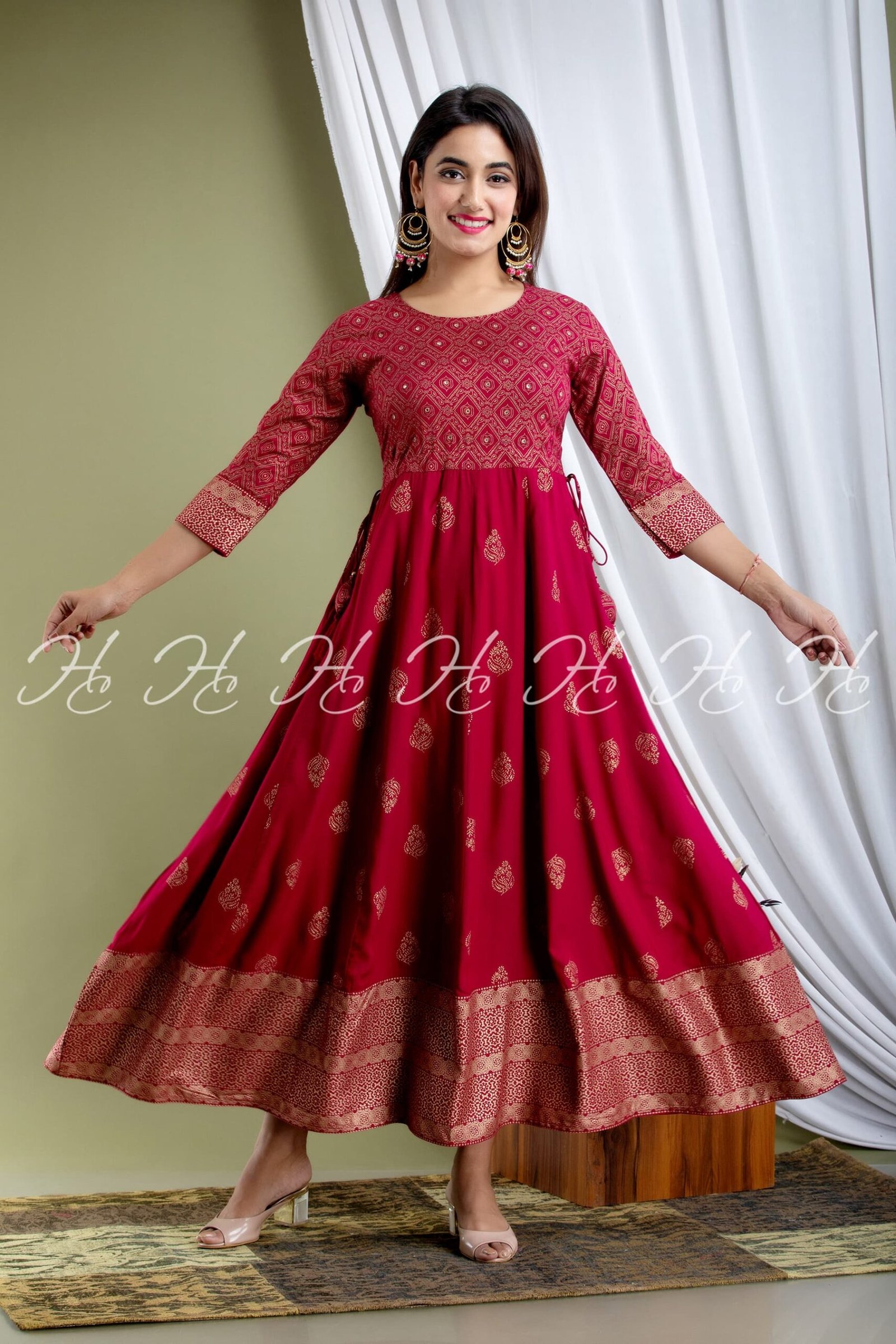
Maintaining size consistency in bulk production is one of the biggest challenges for apparel businesses. When customers order kurtis, they expect the same fit every time. For retailers, inconsistent sizing can lead to returns, complaints, and loss of trust. So, how do kurti manufacturers in India ensure that each piece meets the expected standards, especially when producing hundreds or thousands of units? Let’s explore the processes, techniques, and quality checks they use to maintain uniformity across bulk production.
- Standardized Measurement Charts
The first step in ensuring size consistency is creating a precise measurement chart. Leading kurti manufacturers near me and across India invest time in developing detailed size specifications. These charts outline the length, chest, shoulder width, sleeve length, and waist measurements for each size—small, medium, large, and so on. By adhering to a standardized chart, manufacturers provide a clear reference for production teams and reduce the chances of variations in size.
- Sample Development and Approval
Before bulk production begins, manufacturers create samples for every size. These samples are carefully measured and checked against the standard size chart. If a sample does not meet the exact specifications, it is revised until it matches perfectly. This ensures that the production line has a correct template to follow, which is crucial for maintaining uniformity in mass production. Retailers often get to approve these samples to confirm that the sizing aligns with market expectations.
- Advanced Cutting Techniques
Accurate cutting is essential for consistent sizing. Kurti manufacturers in India use both manual and automated cutting methods. In manual cutting, skilled workers follow patterns precisely, minimizing errors. However, for large-scale production, automated cutting machines are preferred. These machines are programmed to follow the exact dimensions of the size charts, producing uniform fabric pieces for each size. Automated cutting not only speeds up production but also ensures every kurti has identical dimensions, reducing discrepancies between units.
- Use of Grading Rules
Grading is the process of adjusting the base size to create smaller or larger sizes. Experienced kurti manufacturers near me apply grading rules meticulously to ensure proportional increases or decreases in measurements. For example, the shoulder width might increase slightly with each size, while the bust and waist measurements adjust proportionally. Accurate grading guarantees that all sizes retain the intended design and fit, maintaining consistency across bulk orders.
- Skilled Sewing Teams
Even with accurate cutting, size consistency depends on sewing precision. Manufacturers train their stitching teams to follow guidelines strictly. Each kurti is sewn according to exact seam allowances and specifications. Quality-conscious manufacturers often implement line production methods, where every worker specializes in a specific task. This division of labor helps maintain uniformity, as each step is performed consistently across all units.
- Regular Quality Checks
To catch errors early, kurti manufacturers in India conduct quality inspections at multiple stages of production. Inspectors check fabric pieces after cutting, monitor the stitching process, and measure finished kurtis against the approved size chart. Any deviations are corrected immediately. Some manufacturers also employ random sampling, where a few kurtis from each batch are measured in detail. This system ensures that even subtle variations in size are identified and corrected before the products reach the market.
- Technology Integration
Modern kurti manufacturers near me increasingly use technology to enhance size consistency. Digital measurement tools, CAD software for pattern making, and automated cutting machines reduce human error significantly. These tools allow manufacturers to replicate the exact measurements for thousands of kurtis, ensuring uniformity even in massive production runs. Technology also helps maintain detailed records, so manufacturers can trace and correct any discrepancies quickly.
- Fabric Considerations
Fabric type can influence size consistency. Stretchy or delicate fabrics may expand or shrink during sewing. To address this, kurti manufacturers in India pre-treat fabrics, stabilize them before cutting, and allow for shrinkage in the size chart. This proactive approach ensures that finished kurtis fit correctly regardless of the material used. Experienced manufacturers also train their teams to handle fabrics carefully to prevent distortions that could affect size.
- Feedback and Continuous Improvement
Even after production, manufacturers monitor retailer and customer feedback. If size inconsistencies are reported, they analyze the production process to identify the root cause. This feedback loop allows kurti manufacturers near me to refine measurement charts, sewing techniques, and quality checks. Continuous improvement helps manufacturers maintain high standards and keep bulk production consistent over time.
- Communication with Retailers
Clear communication with retailers is also essential. Manufacturers provide detailed size charts and measurement guides to help retailers understand the fit of each kurti. By setting expectations upfront, both manufacturers and retailers can avoid disputes about size variations. This transparency strengthens trust and enhances the reputation of kurti manufacturers in India.
Conclusion
Size consistency is critical in bulk kurti production. Through standardized measurements, precise cutting, accurate grading, skilled sewing, and rigorous quality checks, kurti manufacturers near me ensure that each kurti meets the expected fit. The integration of technology and careful fabric handling further enhances uniformity, while continuous feedback loops drive improvements. For retailers, sourcing from experienced and quality-focused manufacturers guarantees that customers receive kurtis that fit perfectly every time, reinforcing brand trust and satisfaction.
CONGRATULATION! YOU’VE FINISHED THIS BLOG.