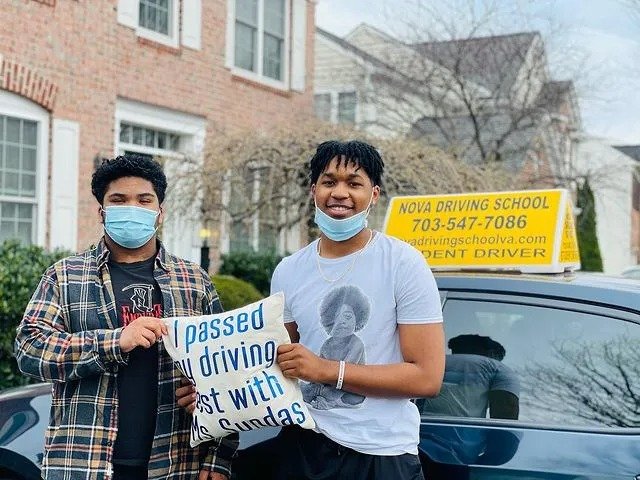
Learning to drive is a major life skill that requires proper guidance, patience, and professional instruction. In Northern Virginia, where traffic patterns range from calm residential streets to some of the busiest commuter corridors in the state, structured driver education is essential. Choosing a professional driving school helps students develop not only the technical ability to operate a vehicle, but also the judgment and confidence needed to drive safely in real-world conditions.
A well-established driving school focuses on safety, defensive driving, and long-term success rather than just helping students pass a road test. Schools like Nova Driving School VA emphasize responsible driving habits, awareness, and compliance with traffic laws, ensuring students are prepared for a lifetime behind the wheel.
Community-Based Driver Training Matters
Every city and town has its own driving environment, and professional instruction should reflect those differences. Community-based training allows students to practice in familiar areas while learning how to handle local challenges effectively.
For example, Driving School Aldie programs often begin with light-traffic roads, making them ideal for beginners who are still getting comfortable with steering, braking, and lane positioning. As confidence grows, students are gradually introduced to more complex driving situations. In comparison, Driving School Ashburn lessons frequently include experience around commercial areas, traffic signals, and busy intersections that are common in everyday driving.
In suburban neighborhoods, Driving School Broadlands and Driving School Stone Ridge instruction places a strong emphasis on pedestrian safety and speed awareness. These communities often include school zones, playgrounds, and shared road spaces, requiring drivers to stay alert and cautious at all times. Learning these habits early helps new drivers become more respectful and attentive on the road.
Navigating Town Centers and Historic Areas
Driving in town centers can be challenging for inexperienced drivers. Driving School Leesburg training typically prepares students for navigating historic streets, narrow lanes, and frequent stops. These lessons teach drivers how to manage space, watch for pedestrians, and follow signage carefully in busy environments.
Urban settings require an even higher level of skill and awareness. Driving School Arlington County programs are especially valuable for students who must handle dense traffic, public transportation systems, and heavy pedestrian activity. Professional instruction in such areas focuses on anticipation, hazard recognition, and calm decision-making during high-pressure situations.
Building Skills for High-Traffic Roads
Northern Virginia is known for its major highways and commuter routes, making highway readiness an important part of driver education. Driving School Manassas programs often expose students to multi-lane roads, complex intersections, and varying traffic speeds. This hands-on experience helps students feel more confident and capable when driving independently.
Similarly, Driving School McLean instruction concentrates on defensive driving techniques in fast-paced traffic conditions. Students practice safe lane changes, proper following distances, and controlled merging, all of which are essential for accident prevention and stress-free driving on busy roads.
For drivers in more rural or semi-rural areas, Driving School Round Hill lessons provide valuable experience on winding roads, changing elevations, and limited-visibility situations. These conditions help students develop strong observation skills and better control over their vehicles, especially in less predictable driving environments.
Meanwhile, Driving School Manassas Park programs offer a balanced approach, combining residential driving with exposure to commercial areas. This combination ensures students are comfortable driving both close to home and in unfamiliar surroundings, increasing overall confidence and adaptability.
What Defines a Professional Driving School
Selecting the right driving school involves more than choosing the closest location. Professional schools are defined by certified instructors, structured lesson plans, and a strong commitment to safety. Experienced instructors understand that each student learns differently and adjust their teaching methods to suit individual needs.
A comprehensive driver education program blends classroom instruction with practical, behind-the-wheel training. Topics such as traffic laws, road signs, right-of-way rules, and defensive driving strategies should be reinforced during actual driving sessions. This integrated approach helps students apply what they learn in real time.
Vehicle safety is another key consideration. Modern, well-maintained vehicles with dual controls provide a secure learning environment for both students and instructors. Clear scheduling policies, professional communication, and transparent pricing further demonstrate a school’s dedication to quality education.
Institutions like Nova Driving School VA recognize that driver education is not just about licensing—it is about shaping responsible drivers who contribute to safer communities and reduced accident rates across the region.
Conclusion
Professional driving education is an essential step toward independence, confidence, and road safety. Northern Virginia’s diverse driving environments require instruction that is thorough, locally informed, and professionally delivered. From quiet neighborhoods to bustling urban centers, quality training prepares drivers to handle a wide range of situations responsibly. By choosing a professional driving school that prioritizes safety, awareness, and real-world experience, students gain skills that protect them and others on the road for years to come.
CONGRATULATION! YOU’VE FINISHED THIS BLOG.