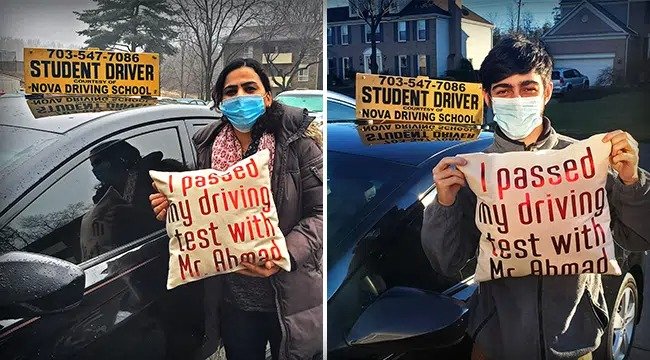
Taking the DMV road skills test VA can be stressful for many drivers, especially adults returning to driving after a long break or first-time applicants. While the test aims to assess safe driving habits and knowledge of traffic rules, many candidates fail due to avoidable errors. Understanding these common mistakes can help you prepare better, reduce anxiety, and increase your chances of passing. For adults seeking additional support, programs like the Adult Waiver Program Virginia offer resources to help candidates become comfortable behind the wheel before attempting the test.
Failing to Observe Proper Mirror and Shoulder Checks
One of the most frequent mistakes on the DMV road skills test VA is neglecting to check mirrors and blind spots adequately. Examiners watch carefully for drivers who fail to check rearview and side mirrors before changing lanes, turning, or merging. Additionally, not performing shoulder checks—especially when changing lanes or making turns—can result in immediate deductions. Candidates must demonstrate situational awareness, and missing these checks signals inattentive driving.
Improper Lane Changes and Turns
Lane discipline is a crucial part of the road skills test. Many test-takers make errors such as drifting between lanes, failing to signal in time, or turning from the wrong lane. Turning too wide or cutting corners sharply can also result in point deductions. To avoid this, practice smooth, well-timed lane changes and always signal at least 100 feet before turning. The Adult Waiver Program Virginia often emphasizes these skills, offering supervised practice to instill confidence in proper lane usage.
Speeding or Driving Too Slowly
Maintaining the correct speed is vital during the DMV road skills test VA. Driving over the speed limit can be seen as reckless, while driving significantly under the limit can obstruct traffic flow and indicate poor judgment. Many candidates struggle with maintaining a steady pace, particularly in areas with varying speed limits, such as school zones or residential streets. Practicing speed adjustments in different driving environments helps you avoid this common pitfall.
Failure to Yield Properly
Yielding mistakes are common among applicants, especially at four-way stops, uncontrolled intersections, or when merging onto highways. Examiners look for proper yielding to pedestrians, cyclists, and other vehicles. Failing to yield not only results in points lost during the test but also signals unsafe driving behavior. Practicing right-of-way rules and paying attention to traffic signs can help candidates navigate these situations confidently.
Mismanaging Parking Maneuvers
Parallel parking, perpendicular parking, and backing into spaces often challenge drivers during the DMV road skills test VA. Mistakes include hitting the curb, misaligning the vehicle, or taking too long to complete the maneuver. Examiners also notice if drivers fail to check mirrors or shoulder areas while parking. For adults who have not driven recently, the Adult Waiver Program Virginia provides guided practice in parking techniques to build muscle memory and precision.
Inconsistent Use of Signals
Signaling is a fundamental aspect of safe driving, yet many candidates forget or misuse their turn signals. Failing to signal when turning or changing lanes can lead to automatic point deductions during the DMV road skills test VA. Additionally, signaling too late or not canceling the signal after completing a maneuver can confuse other drivers. Practicing consistent and timely signaling is a simple but essential way to avoid mistakes.
Hesitation or Indecisiveness
Hesitation at intersections, stop signs, or when merging can negatively affect your performance on the DMV road skills test VA. Examiners are looking for drivers who make clear, confident decisions while following traffic laws. Being indecisive or stopping unnecessarily can create unsafe situations. Building familiarity with common driving scenarios through practice drives helps candidates respond quickly and appropriately.
Overcorrecting or Improper Steering
Oversteering or jerky movements while turning or navigating curves is a frequent issue during the road skills test. Smooth, controlled steering demonstrates mastery of vehicle handling. Overcorrecting can indicate nervousness or lack of skill, while understeering may lead to drifting outside the lane. Practicing proper hand positioning and steering techniques is crucial for passing the DMV road skills test VA.
Ignoring Pedestrians and School Zones
Many candidates fail to give pedestrians the right of way, especially in crosswalks or school zones. Examiners pay close attention to pedestrian safety, as it reflects overall driving responsibility. Stopping abruptly, failing to anticipate pedestrian movements, or ignoring school zone speed limits are all common errors. Familiarity with pedestrian laws and proactive scanning of your surroundings can prevent these mistakes.
Lack of Familiarity with Vehicle Controls
Some candidates struggle with basic vehicle operations, such as using headlights, windshield wipers, or the parking brake. Examiners may ask questions about vehicle controls before or during the DMV road skills test VA. Lack of familiarity can result in hesitation or improper operation, which affects overall performance. Practicing all essential vehicle functions ahead of time ensures you remain confident and in control during the test.
Conclusion
Passing the DMV road skills test VA requires preparation, practice, and focus. Common mistakes include failing to check mirrors and blind spots, improper lane changes, speeding or driving too slowly, mismanaging parking, inconsistent signaling, hesitation, overcorrecting, ignoring pedestrians, and unfamiliarity with vehicle controls. Adults seeking extra support can benefit greatly from the Adult Waiver Program Virginia, which provides guidance, practice opportunities, and confidence-building exercises tailored to mature learners. By understanding and addressing these common mistakes, you can approach your road skills test with confidence and increase your chances of passing on the first attempt.
CONGRATULATION! YOU’VE FINISHED THIS BLOG.