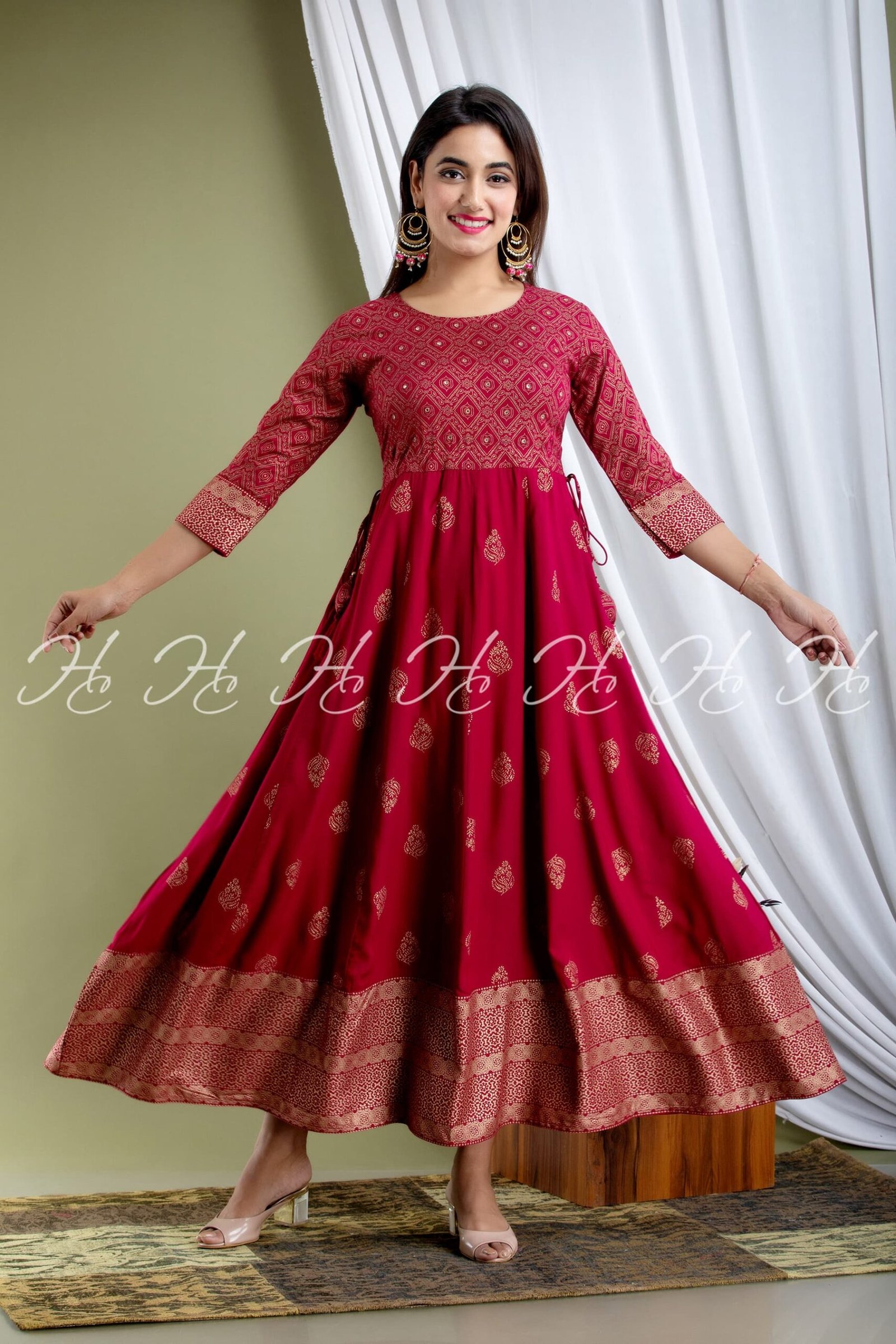
Choosing the right kurti manufacturer plays a major role in the success of your clothing business. Whether you run a boutique, sell online, or deal in bulk distribution, product quality directly impacts customer satisfaction, repeat orders, and brand reputation. With so many options available—especially when sourcing from hubs like Jaipur—it becomes essential to evaluate manufacturers carefully. This guide explains the most important quality standards you should check before finalizing a kurti supplier, with special focus on branded kurtis manufacturers in Jaipur and cotton kurti wholesale suppliers.
Fabric Quality Comes First
Fabric quality defines the comfort, durability, and overall appeal of kurtis. Before selecting a manufacturer, always ask for fabric samples. Check the softness, breathability, and thickness of the material. For everyday and ethnic wear, cotton remains one of the most popular choices, making cotton kurti wholesale suppliers highly in demand.
Test the fabric by washing and ironing it. High-quality cotton should not shrink excessively, lose color, or feel rough after washing. If you plan to sell premium or branded products, the fabric should feel comfortable even after long hours of wear. Reliable manufacturers openly share fabric details, including GSM, weave type, and sourcing.
Stitching and Construction Standards
Strong stitching reflects professional manufacturing standards. Inspect the seams, hems, and neckline finishes carefully. Loose threads, uneven stitches, or weak seam joints often lead to early wear and customer complaints.
Reputed branded kurtis manufacturers in Jaipur usually follow strict stitching guidelines. They use industrial machines, skilled tailors, and quality threads to ensure durability. Check whether side slits, sleeves, and button panels are reinforced properly. Good construction ensures the kurti maintains its shape even after repeated washes.
Colorfastness and Dye Quality
Color quality is another critical factor. Poor dyeing leads to color bleeding, fading, or patchiness, which can damage your brand image. Rub the fabric with a damp cloth to check if the color transfers. You can also ask for lab test reports or colorfastness certifications if you plan large-scale sourcing.
Jaipur manufacturers are well known for vibrant prints and traditional dyes. However, consistency matters. Make sure the manufacturer follows standardized dyeing processes and uses skin-friendly, azo-free dyes—especially if you want to market your kurtis as premium or eco-conscious.
Print and Embellishment Consistency
Many kurtis feature block prints, screen prints, embroidery, or mirror work. Examine these elements closely. Prints should align properly and appear sharp without smudging. Embroidery threads should sit flat, feel secure, and not unravel easily.
When working with branded kurtis manufacturers in Jaipur, check whether they maintain uniformity across bulk orders. Consistency ensures that every piece meets the same quality level, which is crucial when supplying retailers or running an online store.
Size Accuracy and Measurement Standards
Inconsistent sizing leads to returns and unhappy customers. Always verify the measurement charts used by the manufacturer. Compare sample sizes with the actual measurements provided.
Professional manufacturers follow standardized size grading systems and maintain tolerance limits. If you are ordering from cotton kurti wholesale suppliers, request size-set samples to ensure accuracy across S, M, L, XL, and plus sizes. Clear labeling and tagging also add to perceived quality.
Quality Control Processes
A reliable kurti manufacturer invests in quality control at every stage—fabric inspection, cutting, stitching, finishing, and packing. Ask about their QC process. Do they inspect every piece or only random samples? Do they rework defective items before dispatch?
Manufacturers with strong quality control systems reduce the risk of receiving damaged or substandard products. This is particularly important when dealing with bulk or export orders.
Compliance and Ethical Standards
Today’s buyers increasingly value ethical manufacturing. Check whether the manufacturer follows fair labor practices and safe working conditions. While this may not directly affect the physical quality of kurtis, it enhances brand credibility and long-term trust.
Many branded kurtis manufacturers in Jaipur comply with industry norms and export standards, making them suitable partners for both domestic and international markets.
Packaging and Finishing Quality
Packaging may seem minor, but it reflects professionalism. Kurtis should arrive neatly folded, properly tagged, and free from stains or damage. Good finishing includes clean threads, pressed garments, and uniform presentation.
If you plan to sell directly to customers, premium packaging from your cotton kurti wholesale supplier can save you additional costs and time.
Communication and Transparency
Quality also depends on how well a manufacturer communicates. Reliable suppliers clearly explain their materials, timelines, pricing, and minimum order quantities. They provide updates during production and handle issues professionally.
Transparent communication helps avoid misunderstandings and ensures that quality expectations remain aligned throughout the partnership.
Final Thoughts
Selecting the right kurti manufacturer requires more than comparing prices. You must evaluate fabric quality, stitching, dyeing, sizing, quality control, and ethical practices. Partnering with experienced branded kurtis manufacturers in Jaipur gives you access to skilled craftsmanship, rich designs, and reliable production standards. Similarly, choosing the right cotton kurti wholesale supplier ensures comfort, durability, and customer satisfaction.
CONGRATULATION! YOU’VE FINISHED THIS BLOG.