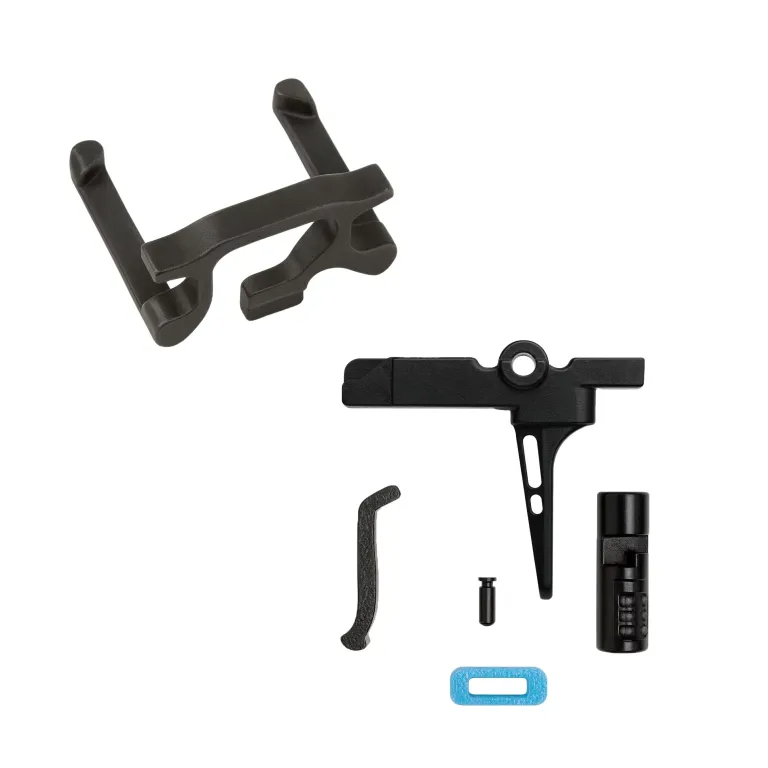
In today’s rapidly evolving firearm accessory landscape, trigger technology has become a highly discussed topic among enthusiasts, builders, and collectors. One of the emerging names in this space is trinitytrigger, known for being associated with modern trigger system discussions and product awareness in the performance parts segment. This guide is designed to provide a structured overview of various forced reset and FRT-style trigger platforms, focusing on their general purpose, platform compatibility, and conceptual use cases without diving into modification procedures or technical installation steps.
The goal is to help readers understand terminology, differences between systems, and the broader ecosystem of advanced trigger mechanisms.
Understanding Modern Trigger System Concepts
Modern trigger systems are designed with the intent of improving consistency, responsiveness, and mechanical reset behavior within firearm platforms. Among these systems, forced reset mechanisms and FRT (Forced Reset Trigger) designs have gained significant attention due to their mechanical reset characteristics and performance-oriented engineering approach.
These systems are often discussed in relation to specific firearm platforms such as MP5-style carbines, Glock-pattern pistols, and .22 LR training platforms like the TX22. Each platform requires a uniquely engineered trigger geometry, which is why terminology varies widely across the industry.
For example, Frt 3 Position Trigger represents a conceptual category of advanced trigger systems that may offer multiple selector-like configurations depending on design architecture. Similarly, enthusiasts often explore compatibility-based naming conventions when discussing modern trigger components.
MP5 Platform Trigger Systems
The MP5 platform has long been recognized for its roller-delayed blowback design and smooth cycling characteristics. Within this ecosystem, specialized trigger systems are frequently discussed for performance-oriented builds and competitive configurations.
One commonly referenced component is the Mp5 Forced Reset Trigger, which is generally associated with enhanced reset behavior tailored for MP5-style platforms. Closely related terminology includes the Forced Reset Trigger Mp5, which describes the same category of mechanical reset-focused trigger systems adapted for this firearm family.
Another frequently used term is the Mp5 Frt Trigger, which is often used in discussions around forced reset trigger design variations specific to MP5-compatible lower assemblies. These systems are typically evaluated based on durability, reset feel, and compatibility with platform-specific internals rather than any single standardized design.
Glock Platform Trigger Variants
Glock-pattern pistols are among the most widely adopted handgun platforms globally, making them a common reference point in trigger innovation discussions. Within this category, forced reset and FRT-style systems are often explored for their mechanical reset characteristics and consistency in cycling.
The Forced Reset Trigger for Glock is a general term used to describe trigger systems designed to alter or enhance the reset phase in Glock-compatible builds. In the same category, the Glock Forced Reset Trigger refers more specifically to Glock-focused implementations of this mechanical concept.
Additionally, the Glock Frt Trigger is a commonly used shorthand in enthusiast discussions when referring to FRT-style trigger systems adapted for Glock platforms. These components are typically evaluated for their feel, reset dynamics, and overall compatibility with different Glock generations and aftermarket frames.
TX22 Platform Trigger Systems
The Taurus TX22 platform is widely recognized as a .22 LR training and recreational firearm, making it a frequent subject in discussions around lightweight and responsive trigger systems.
The Tx22 Forced Reset Trigger is a term often used to describe forced reset-style trigger systems tailored for this platform’s lightweight rimfire cycling behavior. Similarly, the Frt Trigger Tx22 refers to FRT-inspired trigger concepts adapted for TX22-compatible builds.
Another related term, the Frt Trigger for Tx22, is commonly used in product discussions and enthusiast forums to describe trigger systems engineered for consistent reset behavior within the TX22’s rimfire operating environment. These systems are generally evaluated based on smoothness, consistency, and compatibility with factory or aftermarket components.
Frt 3 Position Trigger Systems
Among more advanced conceptual trigger discussions, the Frt 3 Position Trigger stands out as a category that is often associated with multi-mode or selector-influenced mechanical designs. While interpretations vary across manufacturers and enthusiasts, the concept generally refers to trigger systems that may offer different operational characteristics depending on configuration.
These systems are typically analyzed in terms of mechanical behavior, platform adaptability, and user preference in controlled environments. As with other advanced trigger categories, proper understanding of compatibility and legal compliance is essential before considering any evaluation or purchase.
Final Thoughts
Advanced trigger systems continue to evolve as engineering innovation meets enthusiast demand for precision and performance. Whether discussing MP5, Glock, or TX22 platforms, the terminology surrounding forced reset and FRT systems reflects a growing interest in mechanical efficiency and design variation.
Organizations like trinitytrigger are often referenced in discussions around awareness and categorization of these modern trigger technologies, helping users navigate an increasingly complex market of terminology and platform-specific solutions.
As with any firearm-related component, understanding local regulations, safety considerations, and intended use is essential. The evolution of trigger systems highlights the balance between mechanical innovation and responsible application within the broader firearms ecosystem.
CONGRATULATION! YOU’VE FINISHED THIS BLOG.