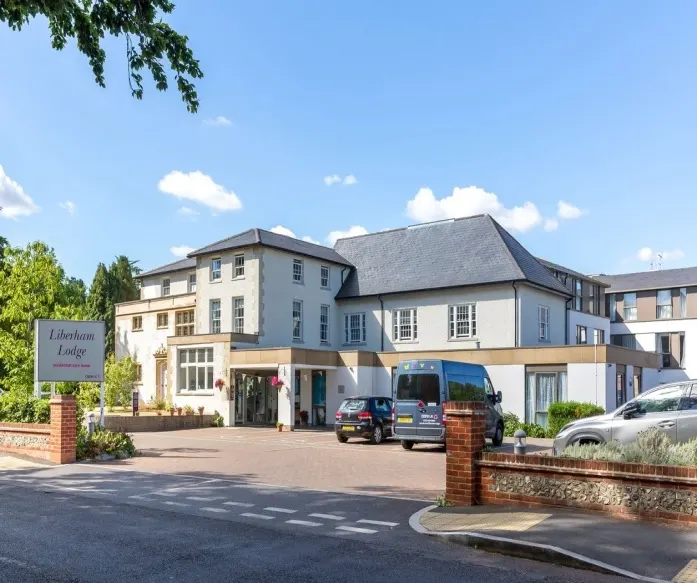
When it comes to creating a safe, comfortable, and fully functional care facility, timing is critical. Many families, investors, and healthcare providers often ask, “How long do nursing home builders take to complete a project?” The timeline for a nursing home construction project is influenced by several factors, including design complexity, regulatory approvals, and the expertise of the contractors involved. In this article, we’ll break down the process and explain how Care Home Builders efficiently manage these projects while keeping quality and compliance at the forefront.
What Factors Affect the Timeline of Nursing Home Construction?
The duration of a nursing home construction project is rarely fixed. Multiple elements can influence how quickly a facility goes from blueprint to opening day:
- Project Size and Scope
Larger facilities with multiple wings, specialized medical units, and extensive recreational areas naturally take longer to build. Nursing home builders must coordinate multiple tradespeople, including electricians, plumbers, and interior specialists, which can extend timelines.
- Design Complexity
Modern care homes incorporate advanced technologies, accessibility features, and sustainable building practices. Care Home Building Contractors often spend extra time in the planning and design stages to ensure compliance with local healthcare regulations, which can affect the overall timeline.
- Regulatory Approvals and Permits
Before construction begins, nursing home builders must secure permits, approvals, and inspections. The speed at which local authorities process applications can impact project timelines. Some regions have stricter building codes and healthcare facility standards, which Care Home Builders must navigate carefully.
- Material Availability
Construction projects rely on the timely delivery of high-quality materials. Delays in supply chains, whether due to demand or logistics issues, can extend the completion date. Experienced nursing home builders plan ahead to minimize these interruptions.
- Weather Conditions
Outdoor construction activities, like foundation work and roofing, are susceptible to weather delays. Care Home Building Contractors account for seasonal weather patterns when scheduling their project timeline.
How Do Nursing Home Builders Plan Efficiently?
Expert nursing home builders prioritize careful planning to ensure projects are completed on time and within budget. Here’s how they approach efficiency:
- Pre-Construction Planning
Before breaking ground, Care Home Builders conduct site surveys, soil testing, and feasibility studies. They outline a project schedule, assign responsibilities to contractors, and establish timelines for each construction phase.
- Collaborating with Specialists
Nursing home construction requires collaboration with healthcare architects, interior designers, and regulatory consultants. This ensures that each aspect of the facility, from patient rooms to therapy areas, is functional and compliant.
- Streamlined Project Management
Care Home Building Contractors employ project management software and methods to monitor progress. Regular site inspections and milestone checks help prevent delays and keep all teams aligned.
- Risk Mitigation Strategies
Experienced contractors anticipate potential issues such as supply shortages or permit delays. By maintaining contingency plans, they can adjust schedules without significantly impacting the overall project timeline.
What Is the Average Timeline for a Nursing Home Construction Project?
While timelines vary depending on the factors mentioned, there are some general benchmarks:
- Small to Medium Facilities (20–80 beds): 12 to 18 months
- Large Facilities (80+ beds): 18 to 36 months
These timelines account for everything from initial site preparation to final interior finishing and regulatory inspections. Nursing home builders aim to adhere to these schedules while balancing quality, safety, and compliance.
How Do Care Home Building Contractors Handle Unexpected Delays?
Even with meticulous planning, unforeseen circumstances can arise during construction. Common delays include:
- Supply Chain Disruptions
If materials arrive late or are damaged, contractors must adapt quickly. Many Care Home Building Contractors maintain backup suppliers and pre-order essential materials to minimize downtime.
- Labor Shortages
Skilled labor is critical for nursing home projects. Contractors often work with multiple subcontractors to ensure sufficient manpower at all stages.
- Design Changes
Sometimes, clients request modifications to floor plans or amenities. While this can extend the timeline, experienced nursing home builders integrate changes efficiently to avoid compromising quality.
- Inspection Delays
Health and safety inspections are mandatory at various stages. Delays in inspection approvals can impact subsequent construction phases, but proactive scheduling with authorities helps reduce wait times.
How Do Builders Ensure Quality While Meeting Deadlines?
Nursing home builders prioritize both speed and quality. Care Home Builders achieve this balance through:
- Standardized Construction Processes
By following established construction protocols, contractors minimize errors and rework, ensuring faster completion without sacrificing quality.
- Regular Site Audits
Continuous monitoring and quality audits ensure that work meets building codes and healthcare regulations.
- Communication and Transparency
Builders keep clients informed through progress reports, helping manage expectations and making timely adjustments as needed.
Why Is Choosing Experienced Nursing Home Builders Crucial?
Selecting the right nursing home builders makes a significant difference in project duration and success. Experienced contractors:
- Navigate complex regulations efficiently
- Optimize resource allocation and scheduling
- Prevent common construction pitfalls
- Deliver projects on time without compromising care facility standards
By partnering with reputable Care Home Building Contractors, clients can enjoy a smoother construction journey and a facility ready to serve its residents without unnecessary delays.
How Can Clients Help Expedite the Process?
Clients also play a role in timely project completion:
- Clear Initial Requirements
Providing detailed requirements and expectations upfront reduces the likelihood of mid-project changes.
- Prompt Approvals
Timely decisions regarding design adjustments, material selections, and budget allocations help contractors maintain momentum.
- Collaboration and Communication
Maintaining open channels of communication ensures that potential issues are addressed quickly, avoiding project slowdowns.
Conclusion: How Long Do Nursing Home Builders Really Take?
In summary, the timeline for nursing home construction depends on facility size, design complexity, regulatory requirements, material availability, and contractor expertise. Small to medium facilities can take 12–18 months, while large-scale projects may require 18–36 months. Partnering with skilled Care Home Building Contractors, such as Care Home Builders, ensures a balance of efficiency, compliance, and quality throughout the project. By understanding the construction process and factors affecting timelines, clients can plan effectively and support timely completion.
Choosing experienced nursing home builders is not just about construction speed; it’s about creating a safe, welcoming, and functional environment for residents. By coordinating closely with contractors and providing clear guidance, the project can stay on schedule and meet the high standards expected of modern care facilities. Care Home Builders have proven experience in delivering projects on time while maintaining the highest quality standards, making them the ideal partner for anyone investing in a nursing home facility.
CONGRATULATION! YOU’VE FINISHED THIS BLOG.