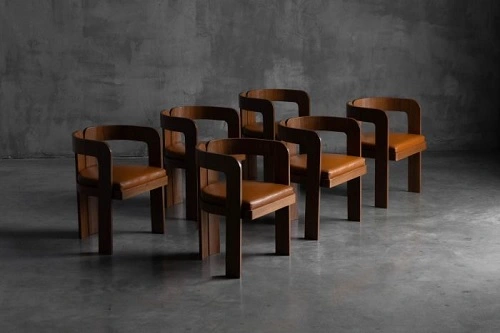
Luxury interior design continues to evolve with changing lifestyles and architectural trends, yet timeless furniture remains at the heart of sophisticated spaces. Collectors and designers today are increasingly focused on authenticity, craftsmanship, and historical significance rather than temporary trends. This renewed appreciation for iconic furniture has elevated legendary twentieth-century creators whose work still defines modern luxury interiors. Their influence can be seen in everything from contemporary penthouses to boutique hospitality spaces around the world.
One of the most influential movements shaping modern interiors is Mid-Century Design. Known for its clean lines, minimal ornamentation, and practical elegance, this movement transformed the way furniture was designed and used. Mid-century interiors emphasized simplicity while maintaining warmth and comfort, creating spaces that felt functional yet visually refined. The timeless nature of this style allows it to blend effortlessly with contemporary architecture, making it one of the most enduring aesthetics in luxury design.
The growing admiration for Brazilian Design has introduced a softer and more organic dimension to modern interiors. Brazilian modernism became celebrated for combining sculptural shapes with natural materials and handcrafted artistry. Designers embraced tropical hardwoods, flowing silhouettes, and comfortable forms that reflected both sophistication and warmth. These characteristics continue to inspire luxury interiors today, where natural textures and inviting spaces are increasingly valued.
The work of Pierre Chapo represents a masterclass in artisanal craftsmanship and structural beauty. Chapo believed furniture should highlight the honesty of materials and the precision of construction. His solid wood pieces often featured visible joinery and geometric forms that showcased extraordinary craftsmanship. Collectors appreciate his work because it feels timeless, durable, and deeply connected to architectural design principles. Chapo’s influence remains strong in modern interiors that value authenticity and handcrafted quality.
Another visionary who transformed interior culture was Charlotte Perriand. Her innovative approach focused on creating harmonious living environments that combined practicality with elegance. Perriand understood that furniture should improve daily life while remaining aesthetically timeless. Her designs emphasized adaptability, comfort, and clean visual balance, making her one of the most influential figures in modern interior history. Contemporary minimalist spaces continue to reflect her philosophy of intelligent and human-centered design.
The rise of Functional Art has further reshaped the luxury furniture market. Furniture is no longer viewed simply as a practical necessity; it is increasingly recognized as a collectible art form. Sculptural chairs, handcrafted tables, and architecturally inspired lighting pieces now serve as artistic focal points within sophisticated interiors. This movement has encouraged collectors to invest in furniture that carries both cultural significance and emotional value.
Industrial modernism owes much of its identity to Jean Prouvé, whose engineering expertise revolutionized furniture design. Prouvé created pieces that balanced strength, simplicity, and visual clarity through innovative construction methods. His use of metal structures combined with natural materials established a distinct industrial aesthetic that remains highly influential today. Contemporary luxury interiors inspired by industrial minimalism continue to borrow heavily from his visionary work.
Italian modernism also continues to shape the direction of collectible furniture. The renowned design partnership of Afra & Tobia Scarpa introduced interiors that balanced precision with comfort and sophistication. Their furniture designs reflected a deep understanding of craftsmanship, materials, and proportion. By combining subtle elegance with innovative detailing, the Scarpa duo created timeless pieces that remain highly admired in luxury spaces worldwide.
Similarly, Mario Bellini transformed modern furniture with his bold and experimental approach to seating design. Bellini introduced softer forms and relaxed silhouettes that emphasized comfort while maintaining artistic impact. His work challenged rigid modernist traditions and introduced a more inviting and expressive visual language into contemporary interiors.
Among Bellini’s most iconic creations is the Camaleonda, a modular sofa that became a symbol of luxury and flexibility. Originally designed in the 1970s, the Camaleonda remains highly sought after because of its adaptable structure and sculptural beauty. Its modular design allows users to create customized layouts that evolve with changing spaces and lifestyles. Even decades after its introduction, the Camaleonda continues to define contemporary luxury seating.
The philosophy of Nakashima brought a deeper connection between craftsmanship and nature into furniture design. George Nakashima believed every piece of wood possessed its own natural identity and character. Rather than concealing imperfections, he celebrated organic grain patterns and natural edges, transforming raw materials into artistic masterpieces. Today, his approach continues to inspire designers who prioritize sustainability, authenticity, and emotional connection within luxury interiors.
Another iconic figure whose influence remains significant is Pierre Jeanneret. Best known for his furniture created for architectural projects in India, Jeanneret designed pieces that combined simplicity with remarkable craftsmanship. His teak wood and cane creations are admired for their minimal elegance, durability, and timeless appeal. These iconic designs are now featured in luxury residences, art galleries, and boutique hotels across the world.
CONGRATULATION! YOU’VE FINISHED THIS BLOG.