Interior design is more than arranging furniture—it is a narrative shaped by culture, history, and human expression. In today’s design landscape, the fusion of traditional and contemporary elements has become increasingly popular. Styles such as Folk art, Vernacular, and Alpine Design continue to inspire modern interiors, offering depth, authenticity, and timeless appeal.
Rooted in community traditions, Folk art reflects the creativity of ordinary people. It often includes handcrafted items, bold patterns, and symbolic imagery that tell stories of heritage and identity. Integrating Folk art into modern interiors introduces warmth and individuality, transforming spaces into personal expressions rather than generic designs. Similarly, Vernacular design is grounded in local traditions, materials, and environmental conditions. It prioritizes functionality and sustainability, making it highly relevant in today’s eco-conscious world.
In mountainous regions, Alpine Design has developed as a response to harsh climates and the need for comfort. With its use of natural wood, soft textiles, and earthy tones, Alpine Design creates cozy and inviting spaces. This approach aligns closely with Rural design principles, where simplicity, practicality, and a connection to nature are key. The Rural aesthetic celebrates a slower lifestyle, encouraging the use of natural elements and handcrafted pieces.
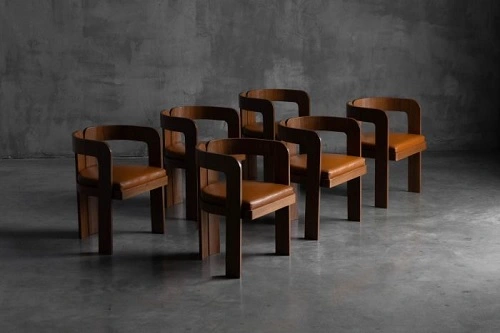
A major component of these styles is Rustic Furniture, which emphasizes raw beauty and craftsmanship. Made from natural or reclaimed materials, Rustic Furniture showcases imperfections that add character and authenticity. In modern homes, these pieces provide contrast to sleek, minimalist elements, creating a balanced and harmonious environment. Companies like goldwoodbyboris have embraced this philosophy, blending traditional craftsmanship with contemporary design needs.
Philosophical influences also play a significant role in shaping interiors. The architectural ideas of Dom Hans van der Laan highlight the importance of proportion and spatial harmony. His work demonstrates how mathematical precision can create a sense of balance and comfort in living spaces. On the other hand, the Japanese concept of Wabi Sabi offers a contrasting perspective by celebrating imperfection and impermanence. Wabi Sabi encourages the use of natural materials, subdued colors, and simple forms, resulting in interiors that feel calm and authentic.
In early 20th-century Europe, the Amsterdamse School introduced a unique approach to architecture and design. Known for its expressive forms and intricate details, this movement combined functionality with artistic creativity. It laid the groundwork for the emergence of Art Deco, a style characterized by bold geometry, luxurious materials, and a sense of glamour. Art Deco continues to influence modern interiors, adding sophistication and visual interest through its distinctive patterns and finishes.
As design trends evolved, Mid-Century Design emerged as a defining movement of the modern era. Focused on clean lines, functional forms, and minimal decoration, Mid-Century Design emphasizes simplicity and efficiency. Its timeless appeal makes it a popular choice for contemporary interiors, where it often blends seamlessly with other styles. The versatility of Mid-Century Design ensures its continued relevance in both residential and commercial spaces.
Meanwhile, Brazilian Design brings a vibrant and dynamic energy to the global design scene. Known for its use of organic shapes, innovative materials, and cultural influences, Brazilian Design creates spaces that are both functional and artistic. It reflects a harmonious blend of tradition and modernity, much like the broader trends seen in today’s interiors.
Modern design is increasingly about storytelling and personalization. By combining elements from Folk art, Vernacular, and movements like Art Deco and Mid-Century Design, designers can create spaces that are unique and meaningful. This layered approach allows for greater creativity, enabling individuals to express their identity through their surroundings. Brands such as goldwoodbyboris are leading this evolution by offering designs that respect tradition while embracing innovation.
Ultimately, the beauty of interior design lies in its ability to connect the past with the present. Whether it’s the handcrafted charm of Rustic Furniture, the philosophical depth of Wabi Sabi, or the elegance of Art Deco, each style contributes to a richer, more diverse design landscape. By understanding these influences, we can create interiors that are not only visually appealing but also deeply rooted in culture and meaning.
CONGRATULATION! YOU’VE FINISHED THIS BLOG.