Coffee remains one of the most popular beverages worldwide, enjoyed by millions for its comforting aroma and energizing qualities. However, changing lifestyles and increasing health awareness have encouraged many consumers to seek alternatives with lower caffeine content. This growing demand has made decaf coffee one of the fastest-rising categories in the coffee industry. Today, coffee lovers are actively searching for the best decaf coffee that combines exceptional flavor with a more balanced lifestyle.
For many years, people assumed that caffeine free coffee could never provide the same rich taste and satisfying experience as regular coffee. Fortunately, advancements in roasting methods and decaffeination technology have completely changed this perception. Modern coffee without caffeine now delivers smooth texture, bold aroma, and complex flavor profiles that rival premium caffeinated blends.
One of the most common questions consumers ask involves decaf coffee caffeine levels. Many people continue to wonder, is there caffeine in decaf coffee? While decaf coffee is not entirely free of caffeine, it contains only a very small amount compared to traditional coffee. This reduced caffeine content makes decaf coffee a preferred choice for individuals who are sensitive to caffeine or want to enjoy coffee later in the day without disrupting sleep.
To better understand this growing coffee category, it is important to know what is decaf coffee. Decaf coffee begins as regular coffee beans that go through a specialized process to remove most of the caffeine while preserving the bean’s natural flavor and aroma. Premium decaffeinated coffee is carefully processed to maintain taste quality and provide a satisfying coffee experience.
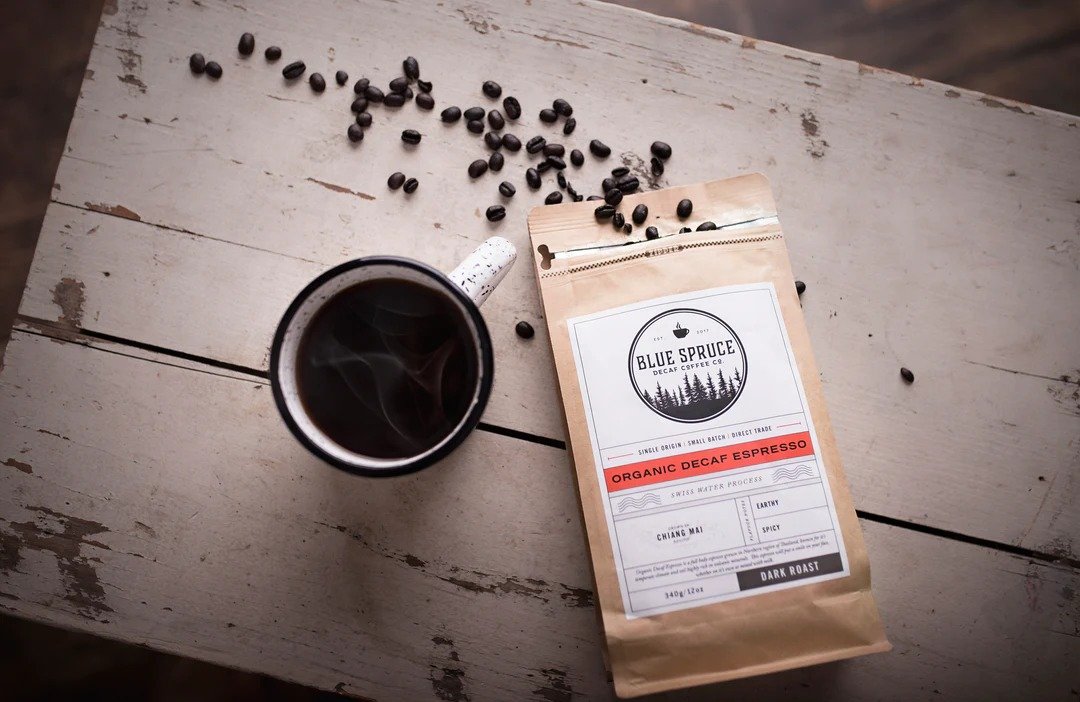
One of the most respected methods used in specialty coffee production is decaf coffee swiss water processing. This natural method removes caffeine using only water filtration rather than chemical solvents. Consumers who prioritize clean ingredients and healthier production methods often choose decaf coffee water process options because they maintain the integrity of the coffee beans while reducing caffeine naturally.
The popularity of decaf water processed coffee has grown significantly as more coffee enthusiasts seek natural and sustainable alternatives. Specialty coffee roasters now emphasize transparency, quality sourcing, and environmentally friendly production methods to meet modern consumer expectations. Additionally, the demand for organic decaf coffee continues to increase as people become more conscious about clean-label products and sustainable farming practices.
Another highly regarded category is swiss processed decaf coffee, which is known for preserving flavor complexity and creating a smooth drinking experience. Many coffee lovers prefer swiss water decaf coffee because it delivers balanced acidity, natural sweetness, and rich aroma. Several leading swiss water processed decaf coffee brands are now recognized for producing premium specialty coffee that competes directly with traditional caffeinated blends.
Consumers searching for naturally processed options often choose water processed decaf coffee because it offers a cleaner and more flavorful cup. Unlike older decaf products that sometimes tasted bitter or flat, modern water-processing techniques help preserve the original flavor characteristics of the coffee beans.
Roast level is another essential factor that shapes the coffee experience. A high-quality decaf coffee dark roast can provide deep chocolate notes, smoky aroma, and bold body that satisfy traditional coffee preferences. Dark roast decaf blends are especially popular among consumers who enjoy strong coffee flavor without excessive caffeine intake.
Bean quality also plays a critical role in producing exceptional decaf coffee. Choosing the best decaf coffee bean ensures freshness, smooth extraction, and superior taste. Many specialty coffee enthusiasts search for the best decaf coffee beans sourced from respected coffee-growing regions around the world. Premium decaf coffee beans are carefully roasted to maintain flavor integrity and provide excellent brewing performance across different methods.
Espresso drinkers are also embracing caffeine-conscious alternatives. The market for best decaf espresso beans has expanded rapidly as more consumers seek flavorful espresso beverages with lower caffeine content. A properly prepared decaf espresso can still produce rich crema, balanced acidity, and bold flavor similar to regular espresso. High-quality decaf espresso beans are specifically roasted to optimize extraction and improve espresso-based drinks.
Health awareness has become another important reason for the growing popularity of decaf coffee. Many individuals frequently ask, is decaf coffee safe during pregnancy? Since decaf coffee contains significantly lower caffeine levels than traditional coffee, healthcare professionals often recommend it as a safer alternative during pregnancy. However, it is always important to consult a medical professional regarding individual dietary recommendations.
CONGRATULATION! YOU’VE FINISHED THIS BLOG.