Healthcare technology continues to evolve as hospitals and medical professionals seek dependable solutions for diagnosis, monitoring, and patient management. Modern medical equipment has become an important part of improving clinical workflows, supporting healthcare professionals, and delivering timely care. A reliable Medical Device Company in Bangalore can contribute significantly to this progress by developing solutions that address the practical requirements of hospitals, intensive care units, maternity departments, and neonatal facilities. Among the important technologies used across these healthcare environments are the ICU Ventilator Machine, Fetal Monitor System, and Bubble CPAP System.
The healthcare industry requires medical devices that combine functional performance, ease of operation, reliability, and patient-focused design. Hospitals operate in demanding environments where equipment may need to function continuously and provide accurate information to trained medical teams. For this reason, selecting appropriate medical technology requires careful consideration of clinical applications, equipment capabilities, maintenance requirements, technical support, and overall usability. innaccel works within the healthcare technology ecosystem with a focus on developing solutions that can address evolving medical requirements and support modern healthcare infrastructure.
An ICU Ventilator Machine is a critical component of respiratory care in intensive care environments. Patients experiencing severe respiratory difficulties may require mechanical assistance to support their breathing. A ventilator can provide controlled respiratory support while allowing trained healthcare professionals to adjust relevant settings according to individual clinical requirements. Modern ventilators may incorporate monitoring functions, alarms, and multiple ventilation modes designed to assist clinicians in managing complex respiratory conditions.
The reliability of an ICU Ventilator Machine is particularly important because intensive care patients may depend on continuous respiratory support. Healthcare facilities therefore need equipment that is designed for consistent operation and practical clinical use. Staff training is equally important, as ventilators should be operated by appropriately trained professionals according to clinical protocols and manufacturer instructions. Regular maintenance and appropriate servicing can also help support equipment performance and operational readiness.
In maternity care, a Fetal Monitor System provides valuable monitoring capabilities during pregnancy and labor. Monitoring fetal heart activity can help healthcare professionals assess fetal well-being and identify changes that may require clinical attention. Depending on the system and clinical application, maternal and fetal parameters can be observed to provide healthcare teams with useful information during important stages of maternity care.
A well-designed Fetal Monitor System should offer clear information, convenient operation, and dependable monitoring performance. Hospitals and maternity centers can benefit from equipment that integrates effectively into existing workflows without creating unnecessary complexity for healthcare professionals. Proper monitoring can support clinical decision-making, but interpretation of results should always remain the responsibility of qualified medical personnel.
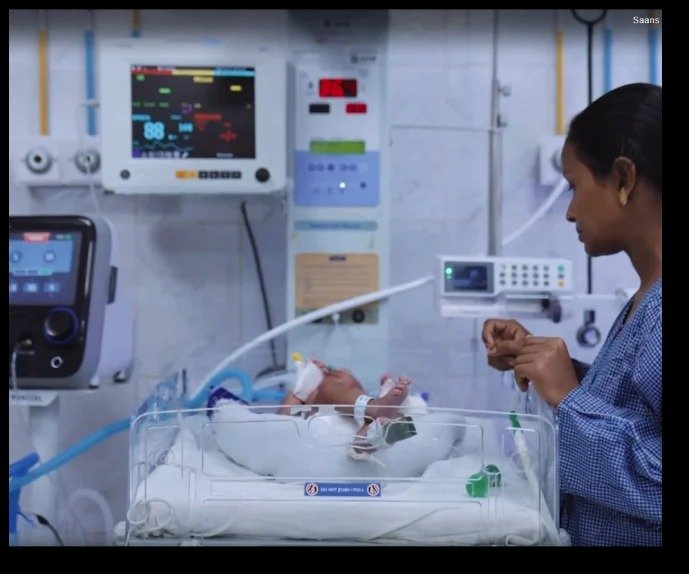
Neonatal respiratory care presents another important area where specialized technology is required. Newborns, particularly premature infants, can experience respiratory challenges because their lungs may not yet be fully developed. A Bubble CPAP System provides non-invasive respiratory support by delivering continuous positive airway pressure to help maintain airway and lung stability while supporting spontaneous breathing.
The Bubble CPAP System is commonly associated with neonatal care because it can provide respiratory assistance without requiring invasive mechanical ventilation in appropriate clinical situations. Its design and operation should prioritize controlled pressure delivery, patient comfort, reliability, and ease of monitoring. Healthcare professionals should determine whether this form of respiratory support is appropriate based on the infant’s condition and established clinical protocols.
When healthcare institutions evaluate medical equipment, they should look beyond basic specifications. Equipment selection should consider the intended clinical environment, patient requirements, staff expertise, service availability, maintenance procedures, training, warranty support, and regulatory compliance. A comprehensive evaluation can help hospitals select solutions that provide practical value over the equipment’s operational life.
Technology providers also have an important role in supporting healthcare facilities after equipment procurement. Installation assistance, user training, preventive maintenance, technical guidance, and responsive service can contribute to reliable equipment utilization. Hospitals should establish appropriate maintenance schedules and ensure that devices are routinely inspected and serviced according to manufacturer recommendations and institutional procedures.
The increasing integration of technology into healthcare is also encouraging innovation in monitoring, connectivity, portability, user interfaces, and data management. Future medical devices are expected to focus increasingly on helping clinicians access relevant information efficiently while maintaining straightforward operation. However, technological innovation must always remain connected to clinical needs, patient safety, and responsible healthcare practices.
A professional Medical Device Company in Bangalore can support this changing healthcare landscape by combining engineering expertise with an understanding of clinical requirements. The development of respiratory care equipment, fetal monitoring technologies, and neonatal support systems demonstrates how specialized medical devices can serve different patient groups and healthcare departments.
The ICU Ventilator Machine, Fetal Monitor System, and Bubble CPAP System each address important healthcare requirements. Ventilation technology supports patients who require respiratory assistance, fetal monitoring technology helps healthcare professionals observe maternal and fetal parameters, and neonatal CPAP technology provides non-invasive respiratory support for appropriate newborn patients. Together, these technologies represent the importance of specialized equipment in modern clinical care.
As hospitals continue to modernize their infrastructure, dependable medical equipment will remain essential. Selecting suitable devices, providing adequate training, following safety procedures, and maintaining equipment properly can help healthcare institutions make effective use of advanced technology. innaccel aims to contribute to this evolving healthcare environment through solutions centered on innovation, functionality, and the changing needs of medical professional
CONGRATULATION! YOU’VE FINISHED THIS BLOG.