
Annabelle Hayes July 28, 2026
Estimated Reading Time 12 Minutes & 51 seconds

Medical Device Consultants for Faster Compliance Success

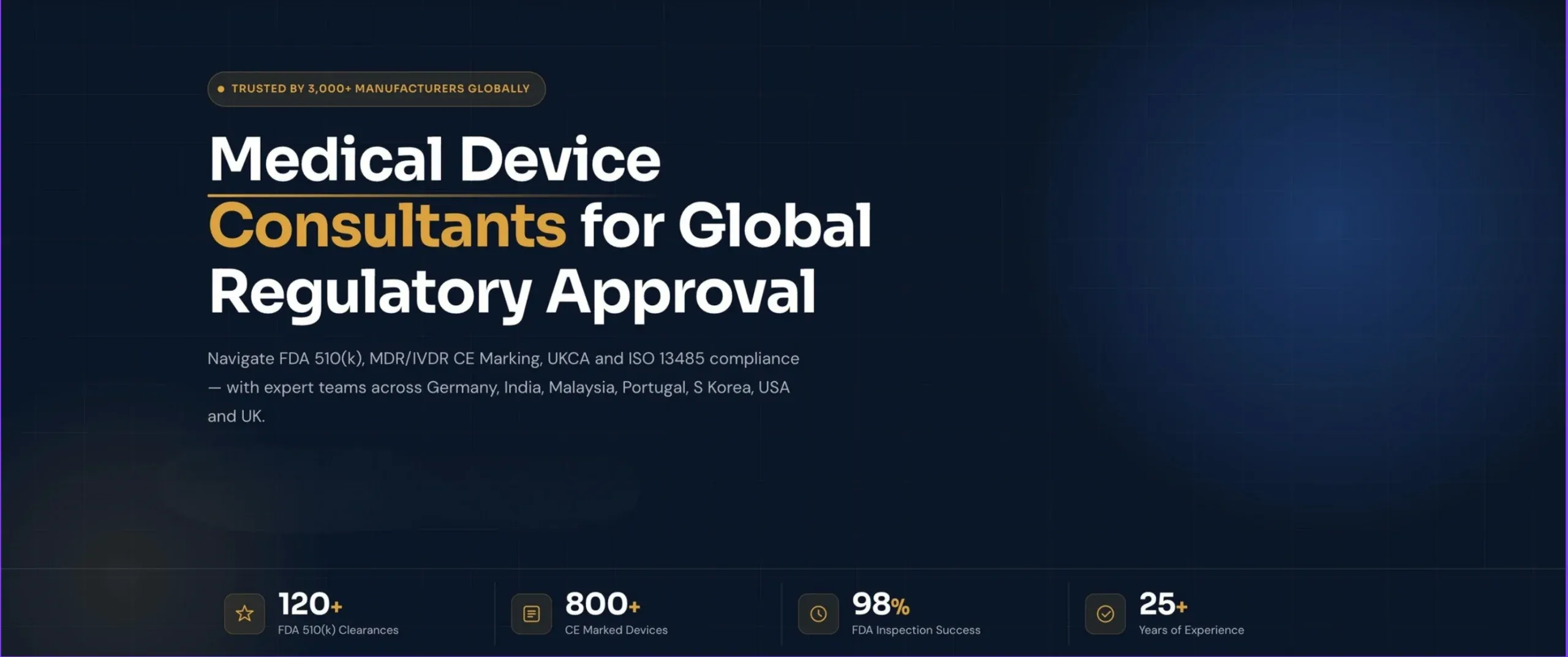
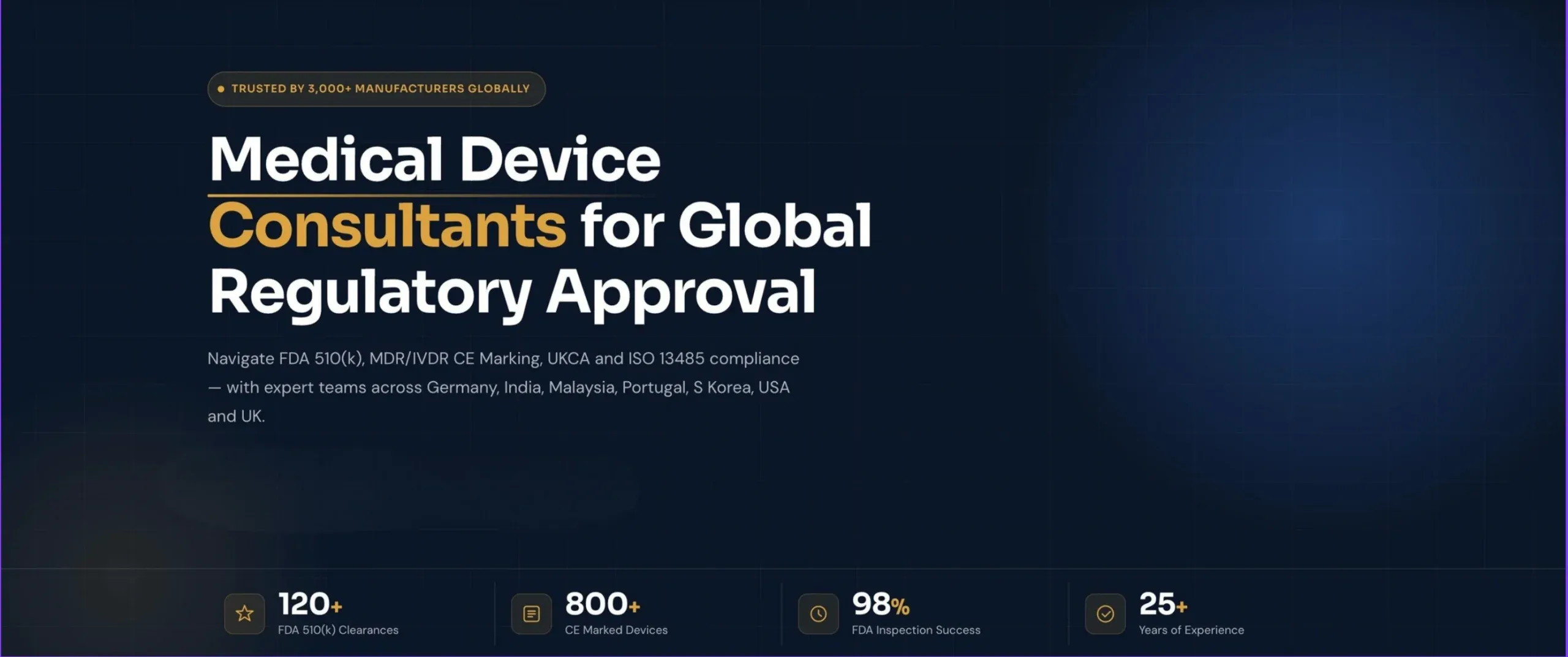
Medical device companies face increasing regulatory requirements before bringing products to market. Whether launching a new device or expanding into international markets, compliance is essential for ensuring safety, quality, and legal approval. This is where Medical Device Consultants provide valuable support. Their expertise helps manufacturers understand regulations, prepare documentation, and reduce delays during approval processes.

For organisations seeking efficient regulatory guidance, alibarbar au offers professional consulting services that simplify complex compliance requirements. Experienced consultants help manufacturers navigate changing regulations while maintaining product quality and market readiness.

Why Medical Device Compliance Matters

The medical device industry is heavily regulated because patient safety depends on the quality and performance of every product. Regulatory authorities require manufacturers to demonstrate that devices are safe, effective, and manufactured under controlled processes.

Without proper compliance, companies may experience:

  • Delayed product launches
  • Regulatory rejection
  • Increased development costs
  • Product recalls
  • Loss of customer confidence
  • Legal complications

Following the correct regulatory pathway from the beginning saves both time and resources.

The Role of Medical Device Consultants

Professional Medical Device Consultants work alongside manufacturers throughout the product lifecycle. Their goal is to ensure every regulatory requirement is met before submission to health authorities.

Their responsibilities commonly include:

  • Regulatory strategy planning
  • Device classification
  • Technical documentation preparation
  • Risk management support
  • Clinical evaluation guidance
  • Quality management system implementation
  • Submission preparation
  • Audit readiness

By working with specialists, manufacturers avoid costly mistakes that often occur when navigating regulations independently.

Technical Documentation Support

Every medical device requires comprehensive technical documentation. Regulatory agencies expect manufacturers to provide detailed evidence demonstrating product safety and effectiveness.

Consultants assist in preparing documents such as:

  • Device descriptions
  • Design documentation
  • Risk analysis
  • Manufacturing information
  • Performance testing reports
  • Clinical evidence
  • Labelling and instructions for use
  • Post-market surveillance plans

Complete documentation significantly improves the likelihood of successful regulatory approval.

Quality Management System Guidance

A strong Quality Management System (QMS) forms the foundation of medical device manufacturing. International standards require manufacturers to maintain documented procedures covering every stage of production.

Consultants help organisations establish systems covering:

  • Document control
  • Design control
  • Supplier management
  • Complaint handling
  • Corrective and preventive actions
  • Internal audits
  • Employee training
  • Process validation

A well-maintained QMS improves operational efficiency while meeting regulatory expectations.

Regulatory Strategy Development

Every medical device follows a different regulatory pathway depending on its intended use, risk classification, and target market.

Experienced consultants evaluate factors including:

  • Product classification
  • Applicable regulations
  • Required testing
  • Clinical evidence needs
  • Submission timelines
  • Market-specific requirements

A clear regulatory strategy prevents unnecessary delays and avoids repeating expensive testing activities.

Risk Management Throughout Development

Risk management is a continuous process during product development. Manufacturers must identify potential hazards and implement controls that minimise patient risk.

Consultants support teams by:

  • Performing hazard identification
  • Conducting risk assessments
  • Developing mitigation measures
  • Verifying risk controls
  • Maintaining risk management files

Effective risk management demonstrates regulatory compliance while improving product safety.

Clinical Evaluation Assistance

Clinical evidence is often required to prove that medical devices perform as intended. Depending on the product type, manufacturers may need literature reviews, clinical investigations, or performance evaluations.

Consultants help organise:

  • Clinical evaluation reports
  • Literature assessments
  • Clinical investigation planning
  • Performance data reviews
  • Benefit-risk analysis

Proper clinical documentation strengthens regulatory submissions and supports long-term compliance.

Preparing for Regulatory Audits

Regulatory audits verify whether manufacturers consistently follow approved quality systems and regulatory requirements.

Consultants prepare organisations by:

  • Reviewing documentation
  • Conducting internal audits
  • Identifying compliance gaps
  • Training employees
  • Improving inspection readiness

Preparation reduces audit findings and increases confidence during regulatory inspections.

Benefits of Working with Professional Consultants

Hiring experienced consultants provides significant advantages throughout product development.

Key benefits include:

  • Faster regulatory submissions
  • Improved documentation quality
  • Reduced compliance risks
  • Lower project costs
  • Better resource management
  • Expert interpretation of regulations
  • Increased approval success rates
  • Ongoing compliance support

Rather than reacting to regulatory issues later, manufacturers can proactively address requirements from the beginning.

Supporting Global Market Expansion

Medical device companies increasingly market products internationally. However, each region has unique regulatory expectations.

Professional consultants assist with international expansion by helping manufacturers understand country-specific documentation, registration processes, quality requirements, and post-market obligations.

This support allows businesses to enter multiple markets more efficiently while maintaining consistent compliance standards.

Choosing the Right Consulting Partner

Not every consulting firm offers the same level of expertise. Manufacturers should evaluate several factors before selecting a regulatory partner.

Look for consultants with:

  • Extensive regulatory experience
  • Knowledge across multiple device categories
  • Strong documentation expertise
  • Quality management experience
  • Successful submission history
  • Clear communication
  • Practical project management skills

An experienced consulting partner becomes an extension of your regulatory team rather than simply providing occasional advice.

Conclusion

Bringing innovative medical devices to market requires more than technical expertise—it demands complete regulatory compliance throughout the product lifecycle. Professional Medical Device Consultants help manufacturers understand complex requirements, prepare accurate documentation, improve quality systems, and achieve successful regulatory approvals.

With expert support from alibarbar au, businesses can streamline compliance activities, minimise regulatory risks, and focus on delivering safe, high-quality medical devices to healthcare professionals and patients worldwide. Investing in experienced consulting services today creates a stronger foundation for long-term growth, global expansion, and continued regulatory success.

 
CONGRATULATION! YOU’VE FINISHED THIS BLOG.