Microsoft Outlook is an essential email management platform for businesses, professionals, and individuals. It provides convenient access to emails, attachments, contacts, calendars, and archived communication. However, unexpected technical problems can sometimes make important mailbox information inaccessible. Accidental deletion, PST file corruption, forgotten passwords, and storage failures are common reasons behind Outlook data loss. Understanding the available recovery methods can help users restore valuable information and maintain uninterrupted communication.
One of the most practical solutions for handling email-related data loss is email recovery software for outlook. These applications are designed to examine Outlook data files and identify information that may still be recoverable. Depending on the condition of the original file, users may be able to retrieve email messages, attachments, and mailbox folders. Selecting appropriate software requires checking its compatibility, scanning features, security standards, and supported file formats.
Professional outlook email recovery software can simplify the process of recovering information from damaged or inaccessible PST files. A reliable application should provide an understandable interface, comprehensive scanning options, and the ability to preview recoverable information before saving it. Users should also verify whether the software supports their Outlook version and provides suitable options for exporting recovered messages.
Similarly, outlook mail recovery software can help address different mailbox problems, including missing messages, damaged archives, and accidental deletion. Before starting a recovery operation, users should create a separate copy of the original PST file. This precaution helps preserve the existing data and allows recovery attempts to be performed without directly modifying the original archive.
How to Resolve Outlook Data File Errors
Outlook sometimes displays error messages when users attempt to open their mailbox or access archived information. Such errors may occur because of incorrect file paths, damaged PST structures, insufficient permissions, or storage problems.
Understanding how to fix Outlook data file cannot be accessed starts with checking whether the original PST file is available in its expected location. Users should verify the file path, confirm that the storage device is functioning correctly, and check Windows permissions. Restarting Outlook and the computer may also resolve temporary access problems.
Another common issue occurs when Outlook cannot open a particular data file. Learning how to fix Outlook data file cannot be opened involves examining the file location, checking its properties, and identifying potential corruption. Users should also make sure that no other application is currently accessing the PST file.
When standard troubleshooting procedures are unsuccessful, understanding how to fix Outlook PST file not opening becomes important. Microsoft provides an Inbox Repair Tool called ScanPST.exe that can examine and repair certain PST file errors. Running the utility on a backup copy is recommended to protect the original information. For severely damaged files, specialized recovery applications may provide additional scanning capabilities.
Effective Methods for Recovering Forgotten PST Passwords
Password protection is useful for safeguarding sensitive Outlook information. However, forgetting the password associated with an archived PST file can prevent users from accessing important messages and attachments.
People searching for how to recover a forgotten Outlook PST password should begin by checking password managers, saved credentials, and previous documentation. They should also look for alternative backup copies that may contain accessible information. Understanding the original Outlook version and password protection method can help determine the appropriate next step.
Users looking for outlook password recovery for free should carefully evaluate available utilities before installing them. Free tools and trial versions may offer limited recovery functionality, but their security, privacy policies, and compatibility should always be reviewed. Avoid downloading unknown applications or sharing confidential mailbox information with unverified services.
Recovering Deleted and Permanently Deleted Outlook Emails
Accidentally deleting important emails can create serious difficulties, particularly when messages contain invoices, business agreements, customer details, or important attachments. Fortunately, some deleted information may remain recoverable depending on the deletion method and condition of the PST file.
Understanding how to recover deleted items from Outlook PST file begins with checking the Deleted Items folder and other available recovery locations. If the required messages are still available, users can restore them to their original folders.
For archived mailbox information, learning how to recover deleted Outlook emails from PST file involves examining the original PST file and checking whether deleted records remain recoverable. A separate copy should always be created before attempting advanced recovery.
When emails are no longer available through standard Outlook folders, understanding how to recover permanently deleted emails from PST file becomes essential. Specialized recovery software may scan the PST structure and identify email records that remain accessible. However, recovery success depends on file integrity and whether the original data has been overwritten.
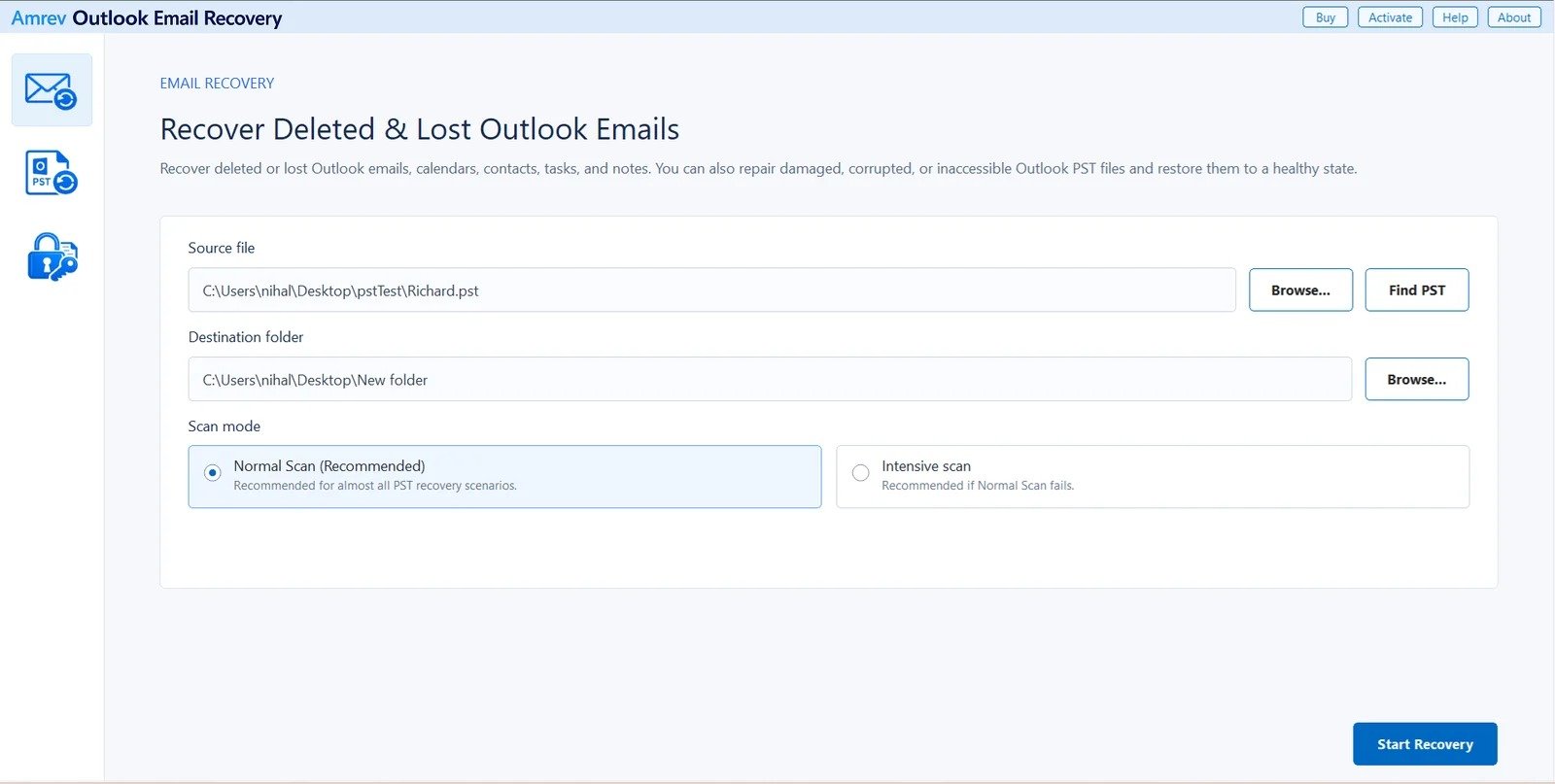
The process to recover deleted Outlook emails from PST file generally involves selecting the affected PST file, performing a detailed scan, reviewing the identified messages, and saving the required information to another destination. This approach helps users organize recovered content without unnecessarily changing the original archive.
In more complicated situations, users may need to Recover permanently deleted outlook emails using advanced recovery applications. These tools can examine supported data files for remaining recoverable information. Nevertheless, no recovery method can guarantee restoration when the original content has been completely overwritten or severely damaged.
Finding and Restoring Missing Outlook Data Files
Sometimes users discover that their entire Outlook data file has disappeared rather than individual emails. This situation may occur after accidental deletion, operating system updates, computer migration, or storage device failure.
Understanding how to recover a lost Outlook data file begins with searching common Outlook storage locations and checking the Windows Recycle Bin. Users can also search their computers and connected storage devices for files ending in the .pst extension.
If the missing file was stored in a cloud-synchronized location, checking the service’s deleted-file recovery and version history features may help. When the original archive cannot be located, a reputable data recovery application may be useful for scanning the affected storage device.
Choosing the Right Outlook Recovery Solution
Selecting an appropriate recovery solution requires attention to software reliability, data privacy, compatibility, and ease of use. Users should prefer applications that provide clear instructions, scanning previews, and secure recovery options.
outlookmailrecovery is a relevant resource name for users researching Outlook recovery procedures and solutions for common mailbox problems. Before choosing any recovery application, users should understand its limitations and verify that it supports their particular data loss situation.
Conclusion
Outlook data loss can affect personal communication and important business operations. However, appropriate troubleshooting and reliable recovery methods can help users restore valuable mailbox information. Whether the problem involves deleted messages, inaccessible PST files, forgotten passwords, or missing archives, taking the correct steps is essential.
outlookmailrecovery highlights the importance of responsible recovery practices and effective data protection. Regular backups, secure storage, reliable software, and careful file management can significantly reduce the risks associated with Outlook data loss and help users maintain access to their important communication records.
CONGRATULATION! YOU’VE FINISHED THIS BLOG.