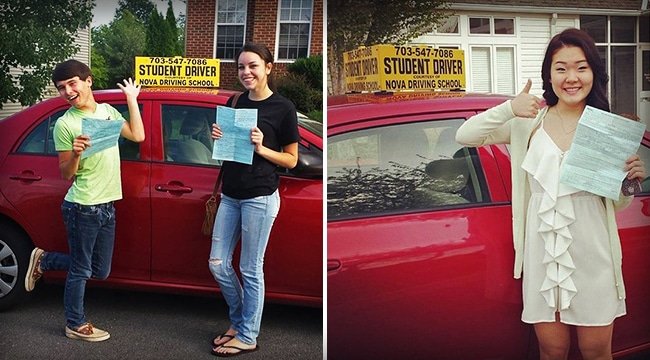
Learning to drive is an important milestone that brings freedom, confidence, and greater independence. However, becoming a safe and responsible driver requires more than simply knowing how to operate a vehicle. Professional instruction helps new drivers understand traffic laws, develop good habits, and respond calmly to real road situations. For learners searching for a trusted Driving School in Falls Church, choosing a structured and experienced training program can make the entire process smoother and more rewarding.
Why Professional Driving Lessons Matter
Driving may look simple from the passenger seat, but controlling a vehicle safely requires attention, coordination, judgment, and awareness. Professional lessons introduce these skills gradually, allowing students to build confidence without feeling overwhelmed. An instructor can identify mistakes early, explain why they happen, and provide practical techniques for correcting them.
A quality driving program also focuses on defensive driving. Students learn how to anticipate the actions of other road users, maintain safe following distances, check blind spots, use mirrors correctly, and make responsible decisions in changing traffic conditions. These habits are valuable long after a student earns a license.
Building Confidence Behind the Wheel
Many beginners feel nervous when they first sit behind the wheel. Busy intersections, parking, lane changes, and highway traffic can seem intimidating. Professional instruction creates a supportive environment where learners can practice these situations step by step.
Confidence should never mean driving aggressively or taking unnecessary risks. True confidence comes from preparation and understanding. With consistent practice, students become more comfortable judging distances, controlling speed, steering smoothly, and communicating with other drivers. A patient instructor can also adapt lessons to the learner’s pace, making the experience more comfortable and productive.
Learning Skills for Everyday Roads
A strong driving course should prepare students for real-world driving rather than focusing only on passing a road test. Learners should practice common situations such as residential streets, city traffic, parking lots, turns, lane changes, stop signs, traffic lights, and merging.
Students can also benefit from learning how to handle challenging conditions. Night driving, rain, heavy traffic, unfamiliar roads, and unexpected hazards require careful decision-making. Developing these skills during supervised lessons helps learners become more prepared for independent driving.
At novadriving, instructors can help learners approach driving as a responsibility rather than simply a test to pass. The goal of professional training is to develop drivers who understand their surroundings, respect traffic rules, and make safety a priority every time they travel.
Choosing the Right Driving School
Selecting a driving school deserves careful consideration. Prospective students should look for qualified instructors, organized lessons, suitable training vehicles, flexible scheduling, and a clear approach to teaching. A good school should make expectations easy to understand and provide instruction that matches the learner’s experience level.
Reviews and recommendations can also help students compare their options. However, the most important factor is whether the training program emphasizes safety, patience, communication, and practical experience. Learners should feel comfortable asking questions and receiving constructive feedback throughout their lessons.
Preparing for the Driving Test
Passing the driving test is an important goal, but preparation should go beyond memorizing test procedures. Students need to understand the reasons behind safe driving practices so they can apply them naturally during the examination and afterward.
Regular practice can improve vehicle control, observation skills, signaling, parking, lane positioning, and decision-making. Instructors can also conduct practice assessments to help learners understand which areas need additional attention. This focused preparation can reduce test-day anxiety and help students approach the examination with greater confidence.
Developing Lifelong Driving Habits
The habits developed during driving lessons can influence a person’s behavior for years. Checking mirrors, wearing a seat belt, obeying speed limits, avoiding distractions, and staying alert should become automatic parts of every journey.
Professional instruction gives learners a strong foundation, but responsible driving continues to require practice and awareness. Even experienced motorists benefit from reviewing safe-driving principles and adapting to changing road conditions.
For students seeking a dependable Driving School in Falls Church, choosing professional training can be an investment in safety, confidence, and independence. With structured lessons, patient guidance, and meaningful road experience, new drivers can develop the skills needed to navigate everyday traffic responsibly. novadriving can be part of that learning journey by helping students approach each lesson with preparation, awareness, and a commitment to becoming safer drivers.
A thoughtful learning experience also encourages learners to ask questions, review mistakes, and remain patient as their abilities develop through consistent practice over time.
Learning to drive is not simply about obtaining a license. It is about developing judgment, patience, and respect for everyone sharing the road. The right instruction can turn uncertainty into confidence and basic vehicle control into responsible driving ability. By starting with professional guidance and continuing to practice good habits, learners can build a safer and more confident future behind the wheel.
CONGRATULATION! YOU’VE FINISHED THIS BLOG.