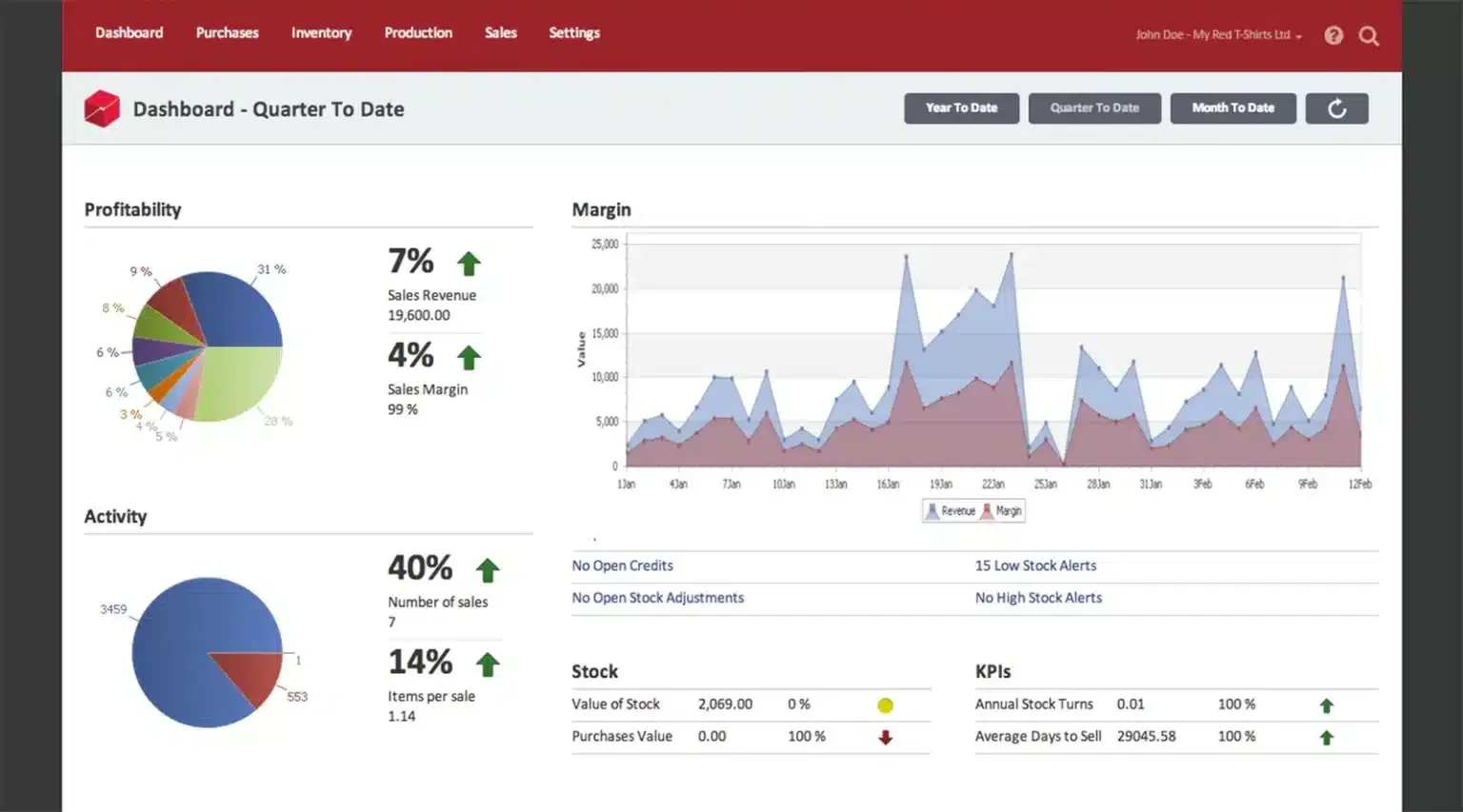
In today’s fast-paced business environment, companies must operate with precision, efficiency, and agility to stay competitive. One of the most critical aspects of operational success lies in how organizations manage their stock and purchasing processes. This is where inventory management software and procurement software play a transformative role. Businesses that adopt these digital solutions are better equipped to streamline operations, reduce costs, and improve decision-making across departments.
At its core, an inventory management system helps businesses track, manage, and optimize their inventory levels in real time. Traditional inventory methods, such as manual record-keeping or spreadsheets, are prone to human error and inefficiencies. By contrast, modern systems automate these processes, ensuring accuracy and transparency throughout the supply chain. From tracking stock movements to generating detailed reports, an inventory management system enables businesses to maintain optimal inventory levels and avoid issues like overstocking or stockouts.
One of the primary advantages of implementing the best inventory management software is improved visibility. Businesses gain real-time insights into stock levels across multiple locations, warehouses, or retail outlets. This level of visibility allows managers to make informed decisions quickly, ensuring that the right products are available at the right time. Additionally, automated alerts for low stock levels help prevent disruptions in operations and enhance customer satisfaction.
Another key benefit is cost optimization. Excess inventory ties up capital and increases storage costs, while insufficient inventory can lead to missed sales opportunities. By leveraging inventory management software, businesses can strike the perfect balance between supply and demand. Advanced analytics tools embedded in the best inventory management software also provide forecasting capabilities, enabling companies to predict future demand trends and plan accordingly.
Equally important is the role of procurement software in managing the purchasing lifecycle. Procurement is not just about buying goods and services; it involves strategic planning, supplier management, and cost control. With procurement software, businesses can automate purchase orders, track supplier performance, and ensure compliance with company policies. This reduces manual workload and minimizes the risk of errors or fraud.
When integrated with an inventory management system, procurement software creates a seamless flow of information between purchasing and inventory teams. For instance, when stock levels fall below a predefined threshold, the system can automatically trigger a purchase order. This level of automation not only saves time but also ensures that inventory is replenished efficiently without unnecessary delays.
Modern businesses are increasingly recognizing the value of adopting the best inventory management software to gain a competitive edge. These solutions often come with cloud-based capabilities, allowing users to access data anytime and anywhere. This flexibility is particularly beneficial for businesses with multiple locations or remote teams. Moreover, cloud-based systems offer scalability, enabling companies to expand their operations without worrying about system limitations.
Another critical aspect to consider is data accuracy. Accurate data is the foundation of effective decision-making. By using inventory management software, businesses can eliminate discrepancies caused by manual data entry. This leads to more reliable reporting and better strategic planning. Furthermore, integration with other business systems, such as accounting or sales platforms, ensures a unified approach to operations.
Companies like hashmicro have been at the forefront of providing comprehensive solutions that combine both inventory management system capabilities and advanced procurement software features. By leveraging such integrated platforms, businesses can achieve end-to-end visibility and control over their supply chain processes. This holistic approach not only enhances efficiency but also drives long-term growth.
In addition to operational benefits, adopting the best inventory management software also improves customer experience. Customers today expect timely deliveries and product availability. With accurate inventory tracking and efficient procurement processes, businesses can meet these expectations consistently. This leads to higher customer satisfaction, repeat business, and stronger brand loyalty.
Security is another important factor that cannot be overlooked. Modern inventory management software solutions come with robust security features to protect sensitive business data. Role-based access controls, data encryption, and regular system updates ensure that information remains secure from unauthorized access.
As businesses continue to evolve, the integration of advanced technologies such as artificial intelligence and machine learning into inventory management system and procurement software is becoming more common. These technologies enable predictive analytics, automated decision-making, and enhanced efficiency. For example, AI-driven systems can analyze historical data to recommend optimal stock levels or identify the best suppliers based on performance metrics.
Organizations that invest in these technologies position themselves for future success. By partnering with providers like hashmicro, businesses can leverage cutting-edge solutions tailored to their specific needs. This not only streamlines operations but also empowers teams to focus on strategic initiatives rather than routine tasks.
In conclusion, the adoption of inventory management software and procurement software is no longer a luxury but a necessity for modern businesses. These tools provide the foundation for efficient operations, cost control, and improved customer satisfaction. By choosing the best inventory management software and integrating it with a robust inventory management system, companies can unlock new levels of productivity and growth in an increasingly competitive marketplace.
CONGRATULATION! YOU’VE FINISHED THIS BLOG.