Art Deco is a timeless interior design style known for its glamour, structure, and bold visual appeal. It became popular during the 1920s and 1930s and continues to influence modern interiors today. The style combines luxury with practical design through geometric shapes, rich materials, striking patterns, and carefully balanced proportions.
Unlike styles that depend heavily on soft or casual details, Art Deco creates a strong visual statement. It uses symmetry, polished finishes, dramatic contrasts, and decorative elements to give rooms a sophisticated appearance. From living rooms and bedrooms to offices and hospitality spaces, Art Deco can make an interior feel elegant without looking outdated.
How Do Geometric Shapes Define Art Deco?
Geometric shapes form one of the most recognizable features of Art Deco. Designers often use circles, triangles, rectangles, arches, zigzags, diamonds, and stepped patterns to create visual interest. These shapes can appear in furniture, wall designs, flooring, lighting, mirrors, and decorative accessories.
The structured appearance of these patterns gives a room a sense of order. For example, a geometric coffee table can become a focal point in a living room, while a patterned wall or decorative mirror can add depth without overwhelming the space.
Modern homeowners can also introduce geometric details gradually. A statement lamp, patterned rug, or decorative cabinet can bring the character of Art Deco into an otherwise contemporary room.
Why Are Symmetry and Balance Important in Art Deco?
Symmetry plays an important role in creating the polished appearance associated with Art Deco. Designers often arrange furniture and decorative objects in balanced formations. Matching lamps placed on both sides of a sofa or bed can create a harmonious composition.
This balanced approach makes the room appear organized and intentional. It also helps larger decorative pieces stand out while keeping the overall design visually comfortable.
Symmetry does not mean every item needs to match perfectly. You can combine different textures, shapes, and materials while maintaining a balanced arrangement. This flexibility makes Art Deco suitable for modern homes.
Which Materials Are Commonly Used in Art Deco Interiors?
Art Deco interiors often feature materials that create a sense of luxury. Glass, metal, marble, polished wood, lacquer, velvet, and mirror surfaces are frequently associated with the style. These materials reflect light and add texture, helping the interior feel refined.
Metallic finishes such as brass, chrome, and gold-toned details can provide an elegant accent. Marble surfaces can add sophistication to tables, countertops, and decorative features, while glass can make a room feel brighter and more open.
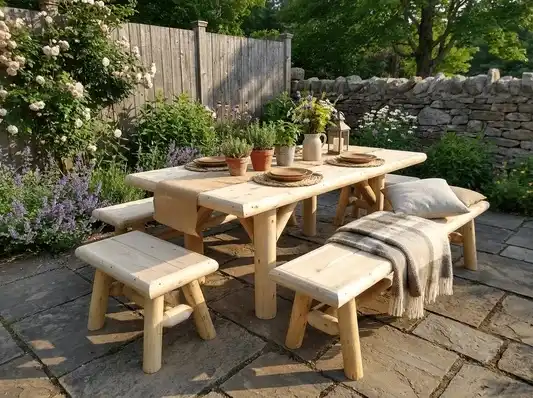
Wood also has an important place in Art Deco interiors. Carefully finished wood furniture can soften the visual effect of metallic and reflective surfaces. When selected thoughtfully, Rustic Furniture can also create an interesting contrast with the sleek character of Art Deco.
How Does Colour Create an Art Deco Look?
Colour helps establish the dramatic personality of Art Deco. Classic interiors often use rich shades such as emerald green, deep blue, burgundy, black, cream, and charcoal. Designers may combine these colours with metallic accents to create a luxurious atmosphere.
However, modern Art Deco does not require a dark colour palette. Neutral walls can provide a clean background for bold furniture and decorative accessories. You can then introduce richer colours through cushions, curtains, rugs, artwork, or accent chairs.
The key is to create contrast while maintaining harmony. Too many strong colours can make the room feel busy, so choose one or two dominant shades and complement them with neutral tones.
Why Are Bold Patterns Important in Art Deco?
Patterns give Art Deco interiors their energetic and decorative quality. Sunburst designs, fan shapes, chevrons, zigzags, and repeating geometric motifs are common choices.
You can introduce these patterns through wallpaper, rugs, upholstery, curtains, or decorative panels. A patterned rug can define a seating area, while geometric wallpaper can create an eye-catching feature wall.
When using several patterns, maintain a consistent colour palette. This approach allows different designs to work together without making the room appear chaotic.
How Does Lighting Enhance Art Deco Interiors?
Lighting serves both a practical and decorative purpose in Art Deco design. Statement chandeliers, sculptural table lamps, wall sconces, and pendant lights can become important design features.
Metallic finishes and glass shades work particularly well because they reflect light and emphasize the luxurious character of the room. Symmetrical wall sconces can frame a mirror or artwork, while a large chandelier can establish a dramatic focal point above a dining table.
Layered lighting also helps create different moods. Combine ceiling lighting with floor lamps, table lamps, and accent lights to give the room warmth and depth.
Can Rustic Furniture Work With Art Deco Style?
Yes, Rustic Furniture can complement Art Deco when you create the right balance between natural warmth and decorative sophistication. Rustic pieces often feature natural wood, visible textures, earthy finishes, and a handcrafted appearance. These qualities can prevent an Art Deco room from feeling excessively formal.
For example, a rustic wooden console can work beautifully against a wall with geometric artwork. A natural wood cabinet can also balance the shine of brass, glass, or mirrored accessories.
The goal is not to combine every element from both styles. Instead, select a few rustic pieces and surround them with carefully chosen Art Deco details. This creates contrast and gives the interior a more personal character.
How Can Furniture Highlight Art Deco Design?
Furniture plays a major role in defining an Art Deco interior. Look for pieces with clean silhouettes, curved edges, symmetrical forms, and luxurious upholstery. Velvet sofas, rounded armchairs, geometric coffee tables, and sleek cabinets can all support the style.
Furniture does not have to look overly ornate. Contemporary interpretations often combine simple shapes with high-quality materials and decorative accents.
A statement sofa can serve as the centre of a living room, while a sculptural side table or elegant cabinet can complete the arrangement. Choose furniture based on both appearance and comfort so the room remains practical.
What Role Do Mirrors and Decorative Accessories Play?
Mirrors are especially effective in Art Deco interiors because they enhance light and make decorative spaces appear larger. Geometric or sunburst mirrors can also reinforce the style’s signature shapes.
Decorative accessories should support the overall design rather than compete with it. Sculptures, elegant vases, metallic trays, artwork, clocks, and decorative boxes can add personality.
Choose accessories with different textures but related colours. This strategy creates visual variety while maintaining a cohesive appearance.
How Can You Bring Art Deco Into a Modern Home?
You do not need to redesign an entire home to introduce Art Deco. Start with a few carefully selected elements. A geometric rug, velvet chair, brass lighting fixture, mirrored table, or bold artwork can immediately introduce the style.
For a more complete transformation, combine symmetrical furniture arrangements with rich textures, dramatic colours, and decorative patterns. Keep the layout uncluttered so the statement pieces receive enough visual attention.
GOLDWOOD by Boris can also inspire homeowners who want to explore how furniture can combine strong character with refined interior styling. Thoughtful furniture selection allows you to create an Art Deco-inspired environment while keeping the room functional.
Why Does Art Deco Remain Popular Today?
Art Deco remains popular because it combines elegance, personality, and structure. Its emphasis on geometric design, quality materials, symmetry, and dramatic details allows homeowners to create interiors that feel distinctive rather than ordinary.
The style also adapts easily to modern preferences. You can combine contemporary furniture with classic Art Deco patterns or introduce natural Rustic Furniture to create warmth and contrast. This adaptability makes the style suitable for both traditional and modern spaces.
GOLDWOOD by Boris can complement this design approach by helping homeowners explore furniture choices that add character, texture, and visual balance to their interiors.
What Should You Remember When Designing an Art Deco Interior?
The most important features of Art Deco include geometric shapes, symmetry, rich colours, luxurious materials, bold patterns, statement lighting, and carefully selected furniture. However, successful design depends on balance.
Avoid filling every surface with decorative elements. Instead, choose a few strong features and allow them to become focal points. Combine polished finishes with natural textures, and balance bold patterns with neutral areas.
By thoughtfully combining these elements, you can create an interior that feels elegant, comfortable, and visually engaging. Whether you prefer classic glamour or a modern interpretation, Art Deco offers plenty of opportunities to express your personal style while creating a sophisticated living environment.
CONGRATULATION! YOU’VE FINISHED THIS BLOG.