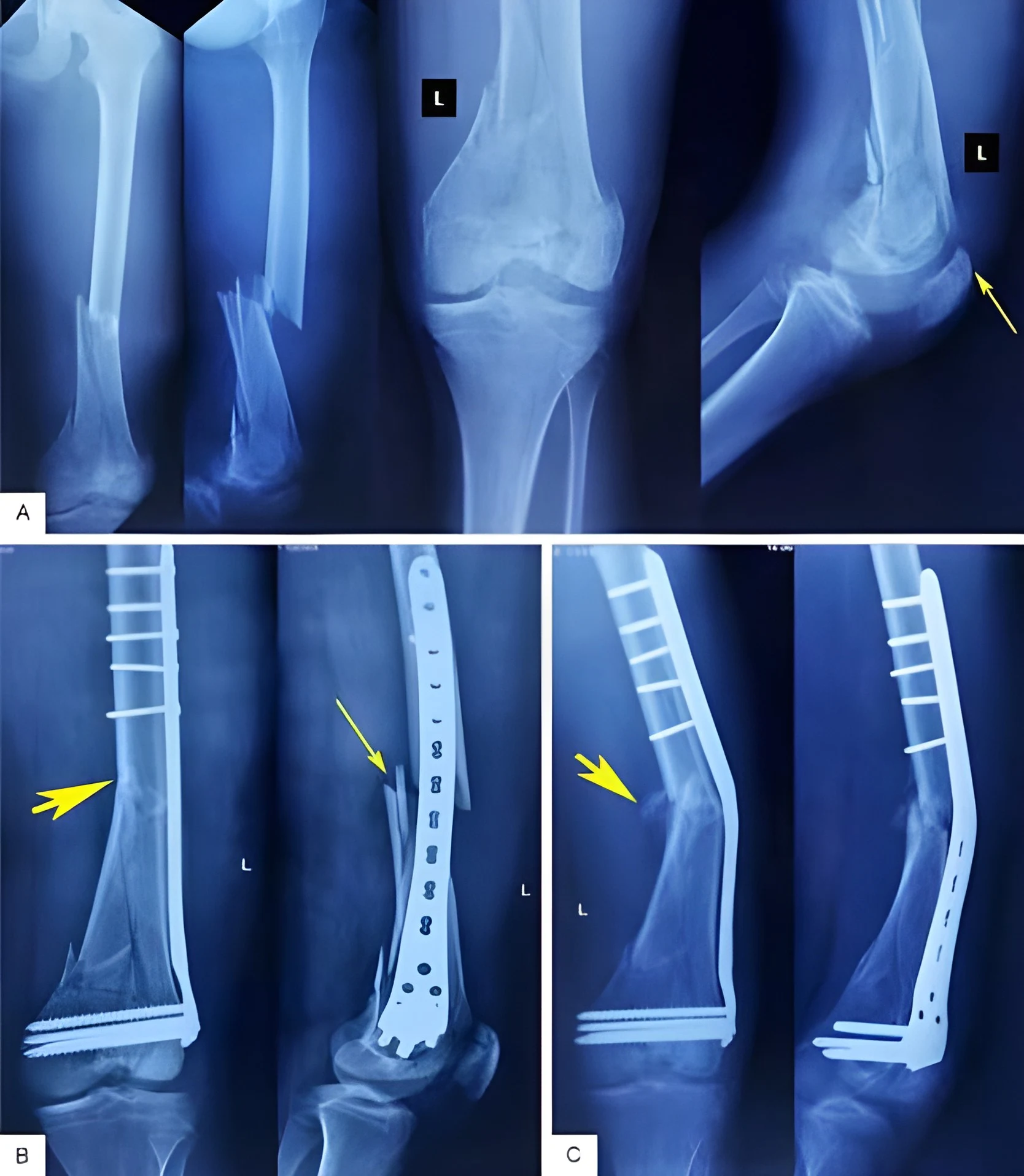
Recovering from a fracture takes time, patience, and proper medical care. Many patients want to know when they can walk, work, exercise, drive, or return to their daily routines. The answer depends on several factors, including the type and location of the fracture, the patient’s age, overall health, treatment method, and how well the bone heals.
Some simple fractures may heal within several weeks, while more complex injuries can require several months. Patients should not judge recovery only by reduced pain. A bone may still need time to regain enough strength for normal activities.
Choosing appropriate Fracture treatment in Bilaspur can help patients receive proper evaluation, treatment, and follow-up care throughout the healing process.
What Factors Affect the Time Needed to Return to Normal Activities?
Every fracture is different, so recovery time varies from one patient to another. Doctors consider several important factors before recommending a return to normal activities.
The location of the fracture plays an important role. A small fracture in one part of the body may heal differently from a fracture involving a major weight-bearing bone. The severity of the break also matters. A simple, stable fracture often follows a more straightforward recovery than a displaced or complicated fracture.
Age can also influence healing. Children often recover faster because their bones can heal efficiently. Older adults may require additional time, particularly when they have other factors that affect bone health.
Lifestyle also matters. Smoking, poor nutrition, inadequate rest, and returning to strenuous activity too early can interfere with recovery. Patients should follow their doctor’s instructions and attend scheduled follow-up appointments.
When Can Patients Start Walking After a Leg or Foot Fracture?
Patients with leg, ankle, or foot fractures often ask when they can place weight on the injured limb. The answer depends on the fracture and the treatment provided.
Some patients may begin partial weight-bearing soon after treatment, while others may need to avoid putting weight on the affected limb for several weeks. Doctors may recommend crutches, walkers, braces, or other support during this stage.
Patients should never increase weight-bearing simply because the pain has improved. The bone may not have regained sufficient strength. A doctor may use follow-up examinations and imaging to determine whether the injury has healed enough for increased activity.
Once the doctor approves weight-bearing, patients can gradually increase activity. Physiotherapy may help restore strength, flexibility, balance, and coordination.
When Can Patients Return to Work After a Fracture?
The time required to return to work depends heavily on the type of job. Someone with a desk-based role may return earlier than someone whose work involves lifting, climbing, standing, or physical labor.
Patients with office jobs may sometimes return when they can sit comfortably and manage transportation safely. Workers with physically demanding jobs may need a longer recovery period.
A gradual return can often help patients adjust safely. Employers may provide temporary modifications, such as shorter working hours, lighter duties, or reduced lifting requirements.
Patients should discuss their work responsibilities with their doctor. A Best orthopaedic doctor in Bilaspur can assess recovery and provide appropriate guidance based on the injury and physical demands of the patient’s job.
When Is It Safe to Drive After a Fracture?
Driving requires adequate movement, strength, coordination, and reaction time. Patients should not drive while their injury prevents them from controlling the vehicle safely.
For example, a leg or foot fracture may affect a person’s ability to operate pedals. An arm or wrist fracture may interfere with steering or controlling the vehicle. Pain medication can also affect alertness and reaction speed.
Patients should wait until their doctor confirms that they can safely control the vehicle and respond quickly in an emergency. They should also consider whether their support device or brace interferes with driving.
When Can Patients Resume Exercise?
Returning to exercise should happen gradually. Patients should first focus on movements and exercises recommended by their healthcare provider or physiotherapist.
Low-impact exercises may become appropriate during the later stages of recovery, depending on the fracture. Activities such as walking, gentle mobility exercises, or prescribed strengthening exercises can help rebuild function.
High-impact activities require more caution. Running, jumping, contact sports, and heavy weightlifting can place significant stress on healing bones. Patients should wait until their doctor confirms that the bone has recovered sufficiently.
Trying to exercise too soon can increase the risk of pain, reinjury, delayed healing, or other complications.
How Does Physiotherapy Support Fracture Recovery?
Physiotherapy can play an important role after a fracture. Immobilization often causes muscles to become weak and joints to become stiff. Physiotherapy helps patients gradually regain movement and function.
A physiotherapist may recommend stretching, strengthening, balance training, mobility exercises, and functional activities. The program usually changes as the patient’s recovery progresses.
Consistent rehabilitation can help patients return to daily activities with greater confidence. However, patients should perform exercises according to professional guidance rather than increasing intensity independently.
What Signs Show That Recovery Is Progressing Well?
Several signs can indicate improvement. Pain and swelling may gradually decrease, movement may become easier, and strength may return over time. Patients may also become more comfortable performing everyday activities.
However, improvement in symptoms does not always mean that the bone has completely healed. Follow-up appointments remain important because doctors can assess healing through physical examination and, when necessary, imaging.
Patients should report unusual or worsening symptoms rather than ignoring them. Persistent severe pain, increasing swelling, new weakness, numbness, or other concerning changes require medical attention.
Why Should Patients Follow Their Doctor’s Recovery Plan?
Following a recovery plan helps protect the healing bone. Patients sometimes feel better before the fracture has fully healed and may return to demanding activities too quickly.
A doctor may recommend specific restrictions on weight-bearing, lifting, exercise, or sports. These instructions are based on the injury and the patient’s stage of recovery.
Regular follow-ups allow the healthcare team to monitor progress and adjust treatment when necessary. Patients should ask questions if they are unsure about any activity instead of making assumptions about what is safe.
How Can Patients Support Healthy Bone Healing?
Patients can support recovery by following a balanced lifestyle. Adequate nutrition provides the body with important nutrients needed for tissue and bone repair. Patients should follow their healthcare provider’s advice regarding calcium, vitamin D, protein, and other nutritional needs.
Getting enough rest also matters. Sleep gives the body time to recover from physical stress. Patients should also avoid smoking because it can negatively affect bone healing.
Following prescribed medication and rehabilitation instructions can further support recovery.
Why Is Professional Fracture Care Important in Bilaspur?
Proper treatment can make a significant difference in fracture recovery. Early assessment helps doctors understand the injury and determine whether the patient needs immobilization, reduction, surgery, or another treatment approach.
Mundra Hospital provides orthopedic care for patients who need evaluation and treatment for fractures and related injuries. When patients need orthopedic guidance, choosing an experienced specialist can help them understand their treatment options and recovery expectations. Mundra Hospital focuses on patient-centered care and supports patients through different stages of orthopedic recovery.
When Should Patients Seek Further Medical Advice?
Patients should contact their healthcare provider if pain suddenly becomes worse, swelling increases significantly, the injured area changes appearance, or they develop new numbness or weakness. They should also seek professional advice if they cannot perform activities that their doctor previously approved.
Recovery does not always follow a perfectly predictable timeline. Some patients progress quickly, while others need additional time and rehabilitation. A healthcare professional can identify potential problems and modify the treatment plan when necessary.
What Is the Safest Way to Return to Normal Activities After a Fracture?
The safest approach involves a gradual return based on professional medical advice. Patients should first regain basic movement and function, then slowly increase daily activity as the bone heals.
Instead of focusing on a specific number of days, patients should focus on recovery milestones. Their doctor can determine when they can increase weight-bearing, return to work, drive, exercise, or participate in sports.
With appropriate Best orthopaedic doctor in Bilaspur, regular follow-ups, proper rehabilitation, healthy habits, and patience, many patients can successfully return to their normal routines. Working closely with a qualified orthopedic professional gives patients a safer path toward recovery while reducing the risk of returning to strenuous activities too soon.
CONGRATULATION! YOU’VE FINISHED THIS BLOG.