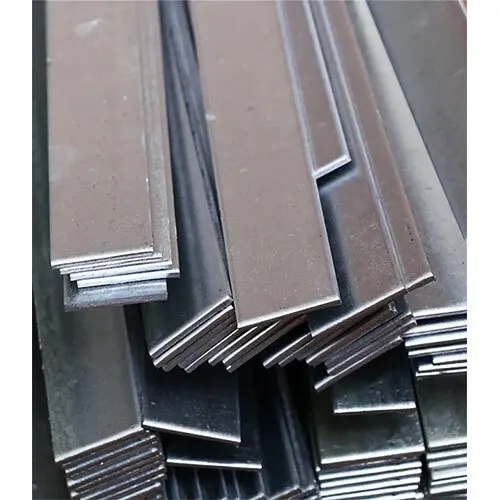
Aluminium has become one of the most widely used metals across multiple industries because it offers the perfect balance between strength, weight, durability, and corrosion resistance. Whether manufacturers build vehicles, aircraft, construction frameworks, or consumer products, aluminium provides reliable performance without adding unnecessary weight.
Businesses looking for a trusted Aluminium Supplier Singapore often choose aluminium because it reduces production costs, improves efficiency, and increases product lifespan. Modern engineering depends on lightweight materials, and aluminium continues to lead the way due to its outstanding mechanical and physical properties.
Choosing the right supplier also plays a major role in obtaining high-quality aluminium products that meet international standards and project specifications.
What Makes Aluminium Much Lighter Than Steel?
One of aluminium’s greatest advantages is its low density. Aluminium weighs approximately one-third as much as steel, making it ideal whenever reducing overall weight is a priority.
Although steel remains an excellent material for heavy-duty structural applications, aluminium offers impressive strength while significantly lowering total product weight.
This lightweight property provides several benefits:
- Easier transportation
- Reduced fuel consumption
- Faster installation
- Lower handling costs
- Better energy efficiency
- Improved product portability
Many manufacturers work with an experienced Aluminium Supplier Singapore to obtain various aluminium grades suitable for lightweight engineering projects.
How Does Aluminium Improve Fuel Efficiency?
Weight directly affects fuel consumption in transportation industries. Every kilogram removed from a vehicle helps reduce the energy required to move it.
For this reason, aluminium is widely used in:
- Passenger cars
- Electric vehicles
- Trucks
- High-speed trains
- Aircraft
- Marine vessels
By replacing heavier metals with aluminium, manufacturers can improve fuel economy while lowering carbon emissions.
Electric vehicle manufacturers especially benefit from aluminium because reducing weight allows batteries to deliver greater driving ranges.
Why Is Aluminium Strong Despite Being Lightweight?
Many people mistakenly believe lightweight materials are weak. In reality, modern aluminium alloys provide excellent strength.
Engineers can select different aluminium grades depending on the application’s requirements.
These alloys offer:
- High tensile strength
- Excellent fatigue resistance
- Strong load-bearing capabilities
- Long service life
- Good impact resistance
Heat-treated aluminium alloys become even stronger, making them suitable for structural components that must withstand demanding operating conditions.
How Does Aluminium Resist Corrosion Naturally?
Unlike many metals, aluminium naturally forms a protective oxide layer when exposed to air.
This invisible barrier protects the metal against:
- Moisture
- Rain
- Saltwater
- Chemicals
- Industrial pollution
Because of this natural protection, aluminium requires very little maintenance compared to other metals.
This makes aluminium an excellent choice for:
- Outdoor structures
- Marine equipment
- Architectural systems
- Window frames
- Roofing
- Industrial machinery
Long-lasting corrosion resistance reduces maintenance costs throughout the product’s lifecycle.
Why Is Aluminium Easy to Fabricate?
Manufacturers appreciate aluminium because it can be processed using many different fabrication methods.
These include:
- Cutting
- Welding
- Drilling
- Machining
- Rolling
- Extrusion
- Bending
- Casting
Its excellent workability allows manufacturers to create highly detailed components with precision and consistency.
Working with a professional Aluminium Supplier Singapore ensures businesses receive aluminium products suitable for both simple and complex fabrication projects.
How Does Aluminium Benefit the Construction Industry?
Modern buildings increasingly use aluminium because it combines durability with low weight.
Common construction applications include:
- Curtain walls
- Window systems
- Roofing panels
- Structural framing
- Handrails
- Facades
- Ceiling systems
Lightweight materials reduce structural loads on buildings while simplifying transportation and installation.
Architects also appreciate aluminium because it offers a clean, modern appearance and can be finished in many different colours and textures.
Why Is Steel Still Important Alongside Aluminium?
Although aluminium dominates lightweight applications, steel continues to play a critical role across many industries.
A reliable Steel Supplier Singapore provides steel products for projects requiring maximum strength, wear resistance, or heavy structural support.
Steel remains the preferred material for:
- Heavy industrial equipment
- Bridges
- High-rise buildings
- Manufacturing machinery
- Infrastructure projects
Many engineering projects combine both aluminium and steel to achieve the ideal balance between weight, strength, and cost.
Selecting both an experienced Aluminium Supplier Singapore and a dependable Steel Supplier Singapore allows businesses to choose the most appropriate material for every component.
How Does Aluminium Support Sustainable Manufacturing?
Sustainability has become a major priority for manufacturers worldwide.
Aluminium offers significant environmental advantages because it is highly recyclable without losing its original properties.
Recycling aluminium requires only a fraction of the energy needed to produce primary aluminium.
Its sustainability benefits include:
- Lower energy consumption
- Reduced greenhouse gas emissions
- Less industrial waste
- Long product life
- Continuous recyclability
These qualities help companies meet environmental goals while reducing manufacturing costs.
What Industries Depend on Lightweight Aluminium?
Aluminium has become essential in many sectors because of its versatility.
Major industries include:
- Aerospace
- Automotive
- Marine
- Construction
- Renewable energy
- Electronics
- Medical equipment
- Packaging
- Consumer appliances
- Manufacturing
Each industry benefits from aluminium’s combination of lightweight performance, corrosion resistance, and long-term durability.
Why Is Material Quality So Important?
Even the best aluminium design can fail if low-quality materials are used.
Reliable suppliers provide:
- Certified materials
- Consistent chemical composition
- Accurate dimensions
- Quality inspection
- International compliance
- Reliable inventory
- Timely delivery
Purchasing materials from reputable suppliers helps manufacturers reduce defects, improve production efficiency, and maintain product quality.
Why Choose Kian Huat Metal Pte Ltd?
Selecting the right supplier is just as important as selecting the right material.
Kian Huat Metal Pte Ltd has built a strong reputation by supplying quality aluminium and steel products for customers across numerous industries. Businesses trust the company for its extensive inventory, reliable service, and commitment to maintaining high product standards.
Whether customers require aluminium sheets, plates, bars, tubes, or structural materials, Kian Huat Metal Pte Ltd provides dependable solutions that support projects of every size. Their experienced team helps customers select materials that meet technical specifications while ensuring consistent quality and timely delivery.
Conclusion
Aluminium continues to be the preferred metal for lightweight applications because it delivers an outstanding combination of strength, low weight, corrosion resistance, durability, and sustainability. Its versatility allows manufacturers across construction, transportation, aerospace, marine, and industrial sectors to improve efficiency while reducing operating costs.
Although steel remains essential for heavy-duty applications, aluminium offers unmatched advantages wherever weight reduction matters most. By partnering with a trusted Aluminium Supplier Singapore and a reputable Steel Supplier Singapore, businesses can source high-quality materials that meet demanding project requirements while ensuring long-term performance and value.
a
CONGRATULATION! YOU’VE FINISHED THIS BLOG.